Author Archives: Jacqueline Ashby
Exploring the intersection between person and place.
Disobedience
 Apply for the MIT Disobedience Award! $250,000 for being naughty in positive way! Deadline for submissions is May 1st!
Elective
Even when change is elective, it will disorient you. You may go through anxiety. You will miss aspects of your former life. It doesn’t matter. The trick is to know in advance of making any big change that you’re going to be thrown off your feet by it. So you prepare for this inevitable disorientation and steady yourself to get through it. Then you take the challenge, make the change, and achieve your dream.
– Harvey Mackay
Companion
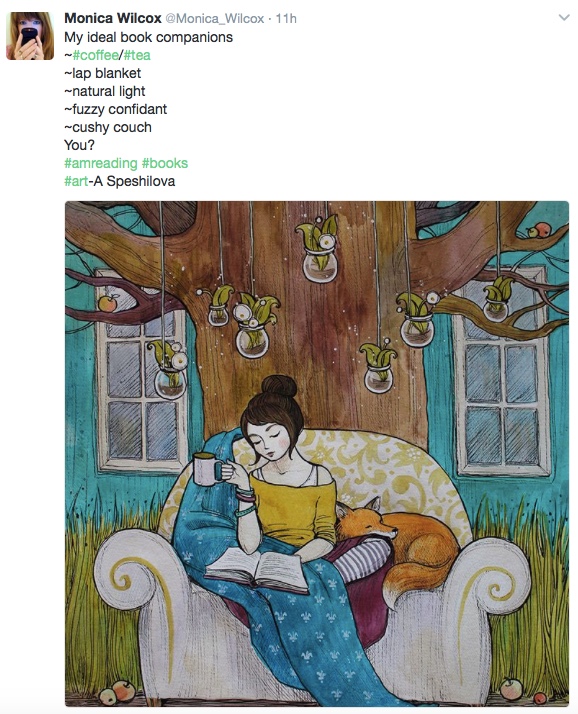
Great question. My ideal book companions:
Decaf cappuccino with latte art and chocolate sprinkles.
Quilted throw (that looks weathered but smells of fresh lemons).
Pooch (preferably a Weimaraner).
Natural indirect light.
Misty sea breeze (not too misty where it causes mold to grow).
Waves crashing outside (but not tsunami loud).
Queen size sleigh bed with 3 pillows.
Sketchbook.
Pilot V5 Hi-Tecpoint 0.5 pen (no other pen will do).
Vase filled with white calla lilies and David Austin Black Beauty roses.
Yours?
Satisfactory
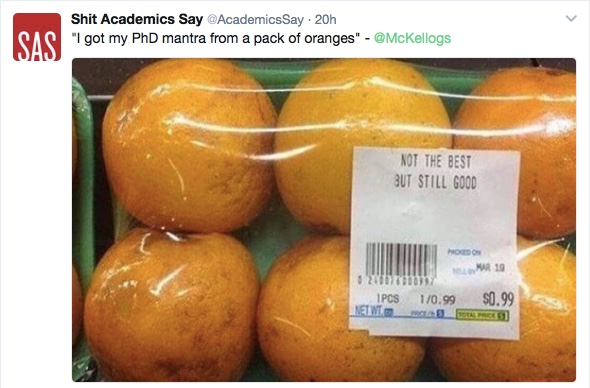
And I got mine from D. Alary who sternly advised me during my writer’s block to “Crap it out!” Whatever works! As they say, a good dissertation is a finished dissertation!
Pebbles
Can you pass this test?
Tools for lowering anxiety.
Exploring the body’s mysteries.
As a former Girl Scout, I completely support Girl Guides decision: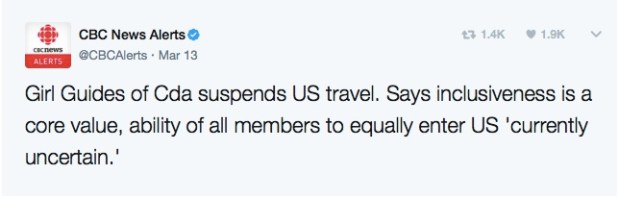
Love
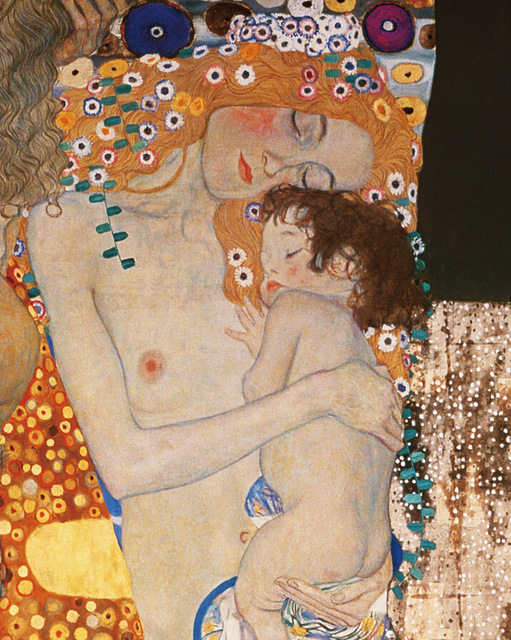
On the mountain I climb.
In the sea I swim.
You are with me.
Always.
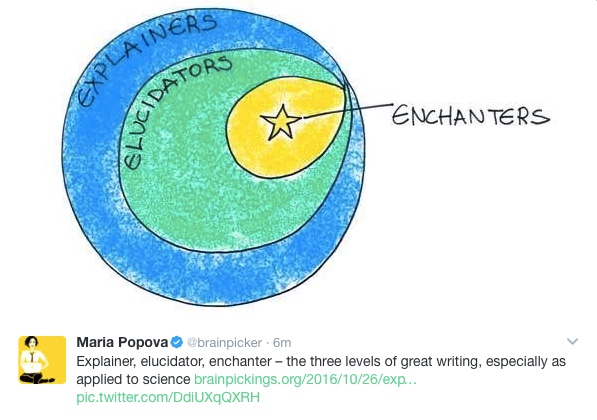
Enchanter
Vitality
Anything or anyone that does not bring you alive is too small for you.
Mars
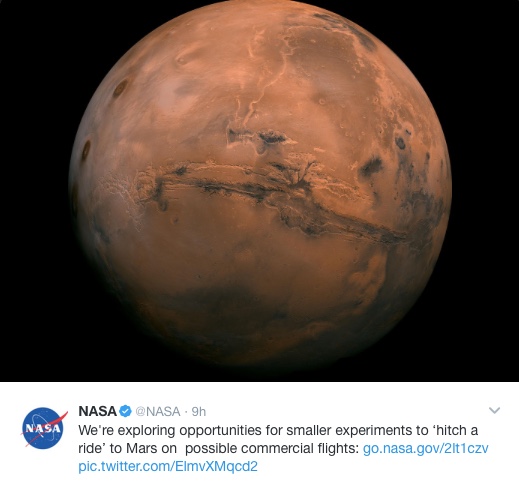
You need to get a move on this NASA. I am your “smaller experiment” and I have less hair than a monkey (but not that much less). And I love bananas. And I’m an INTJ so human contact is not necessary for me to maintain my sanity. And they recently shipped the Dos Equis man there. We could start a whole new race of the most interesting people in the world! Baha! #MarsMeAndDos #NASA
 JACQUELINE P. ASHBY