 via @designcrush
Category Archives: Uncategorized
Abandon
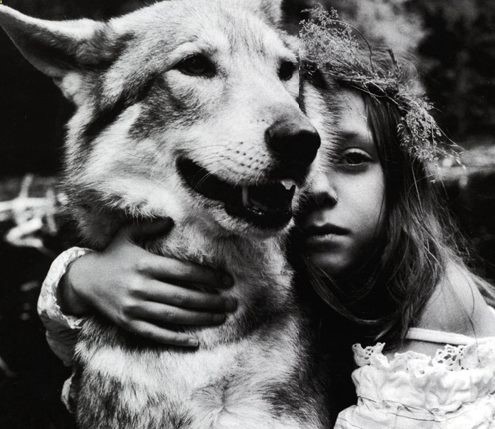 Love her but leave her wild. ~ Atticus
Falling
One of the most powerful wellsprings of creative energy, outstanding accomplishment, and self-fulfillment seems to be falling in love with something — your dream, your image of the future. ~ E. Paul Torrance
via Rethinking Intelligence: How Does Imagination Measure Up?
Hare
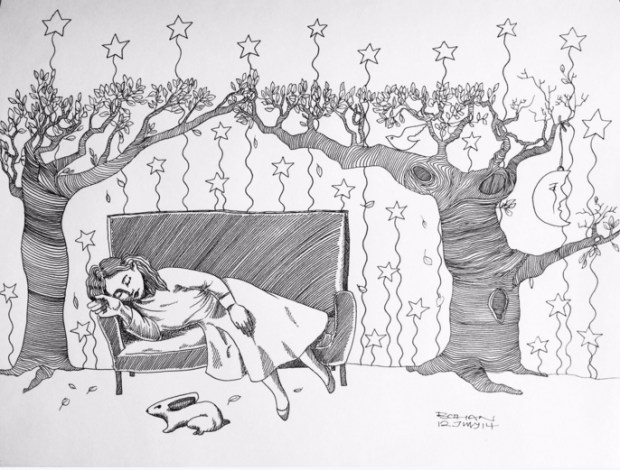
Absolutely dreamy.
Impossible
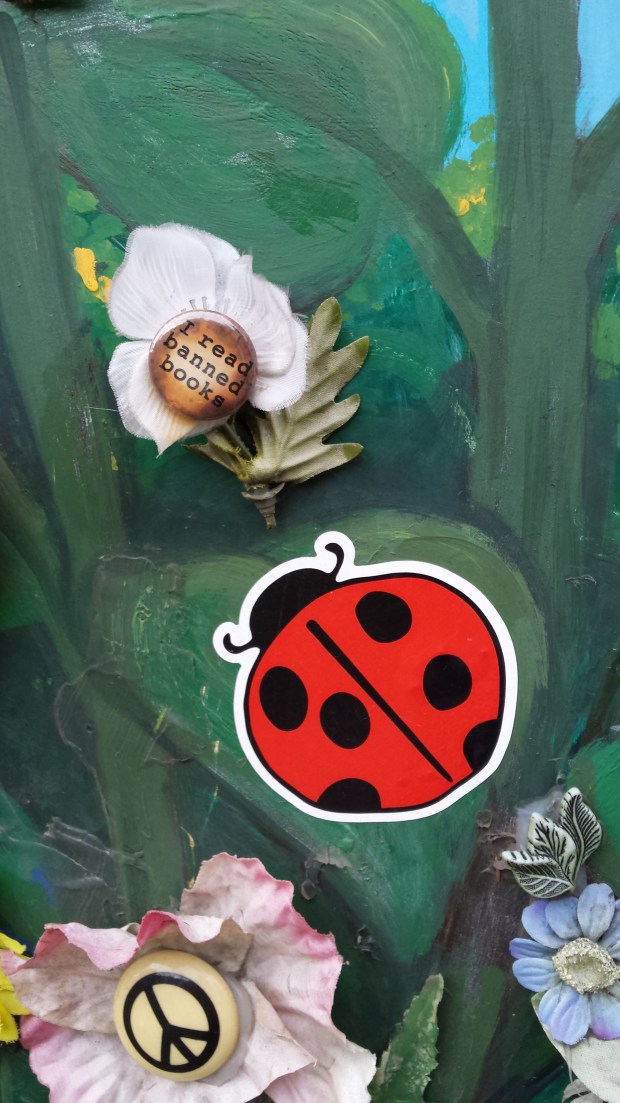
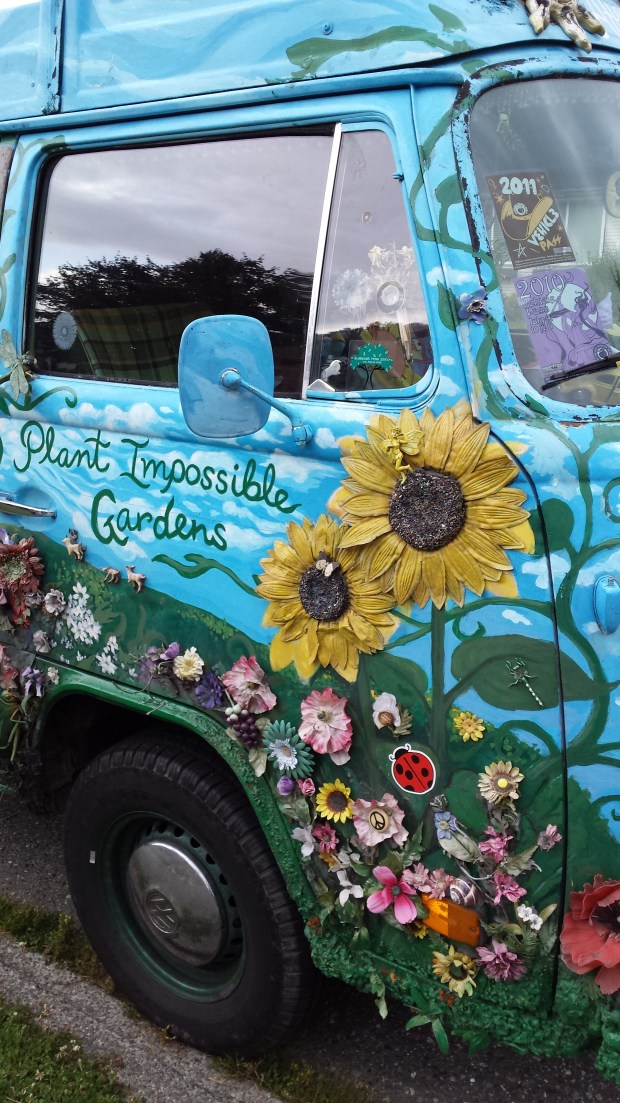
There are moments in my life that beckon for me to turn around and engage. This was one of those moments.


Tennessee
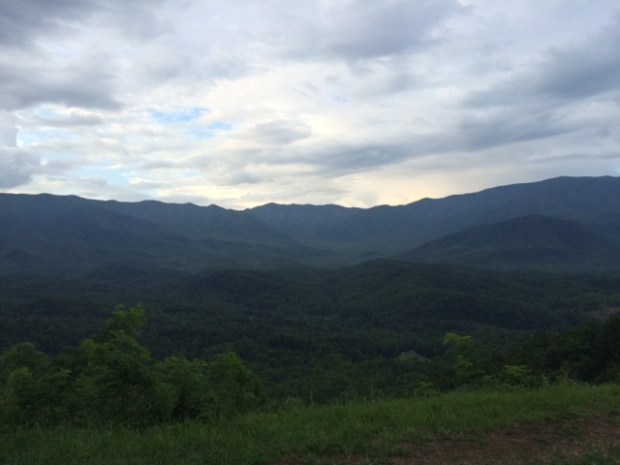 The rolling green mountains of Tennessee via my cousin Christian. Yes! We will have to venture into that wilderness! Thank you love and see you soon :).
Smoldering

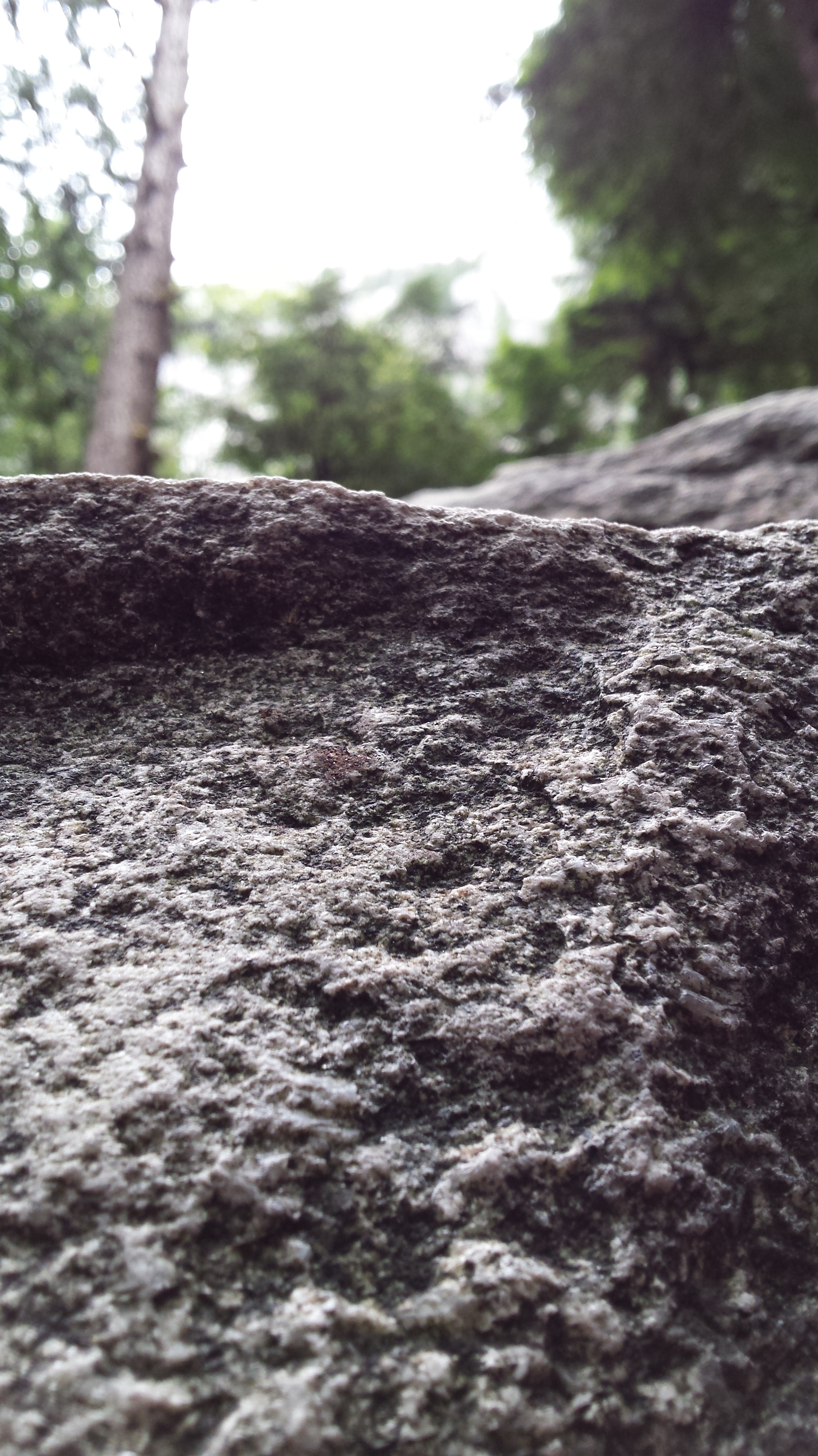
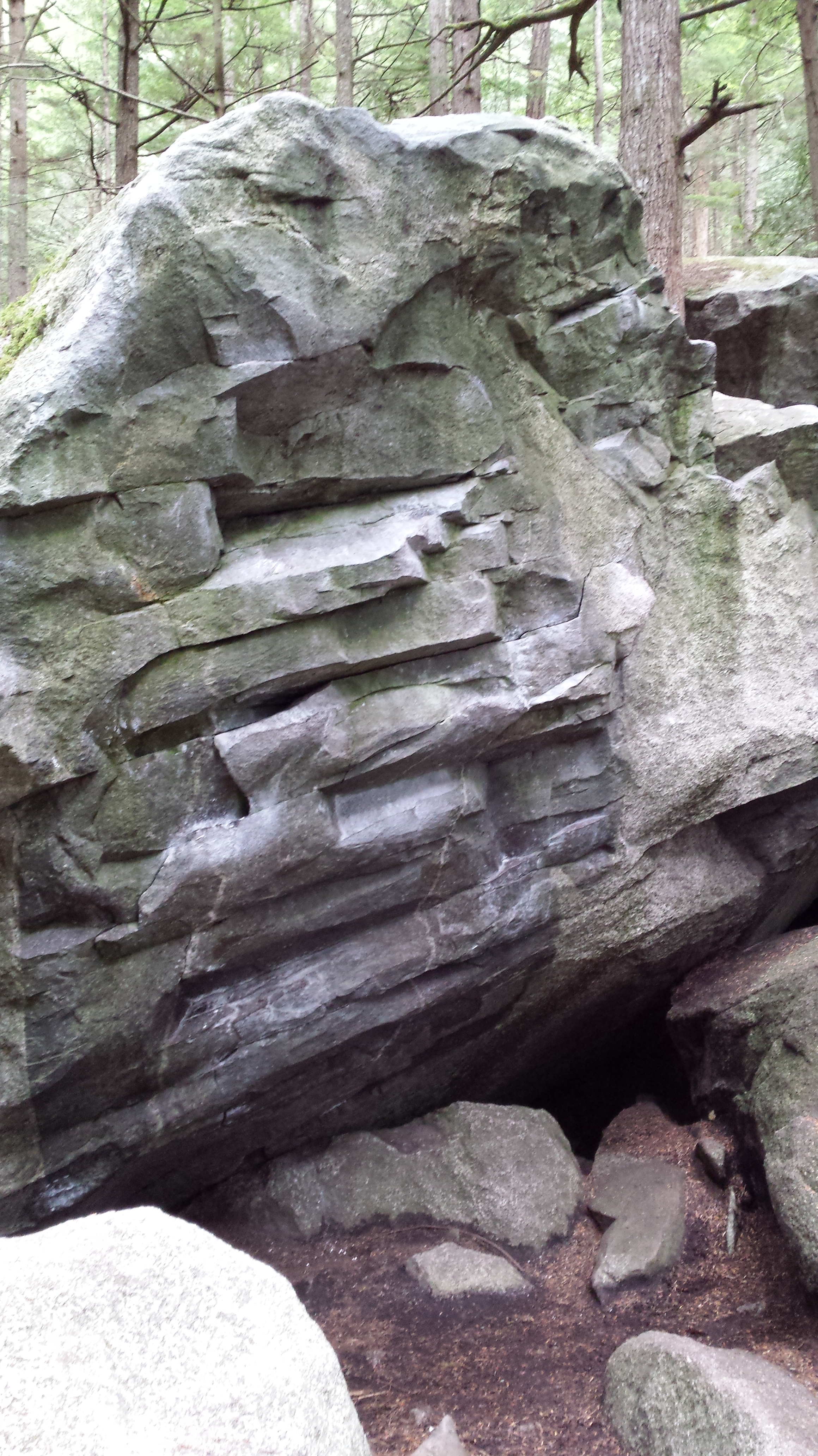
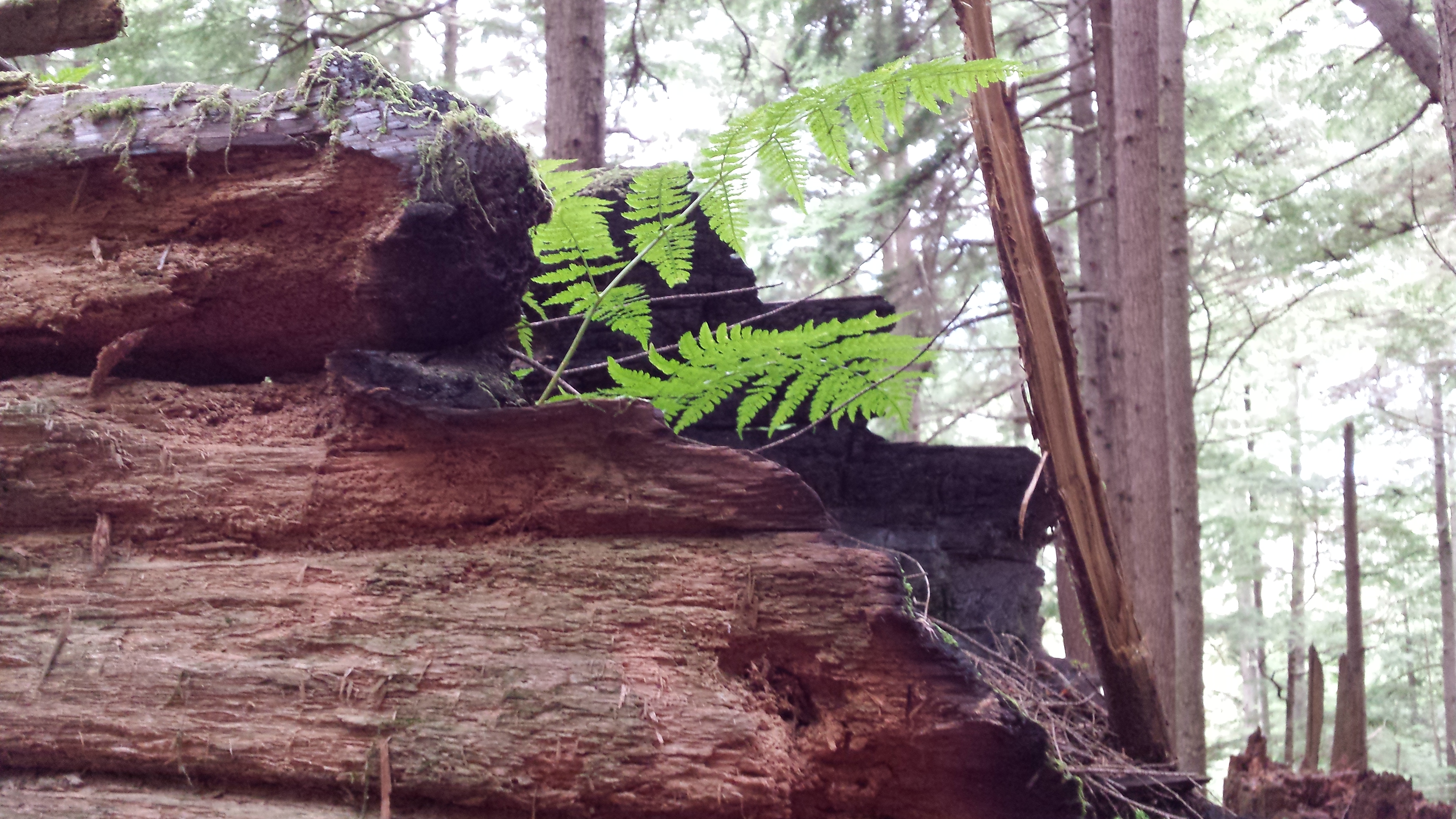
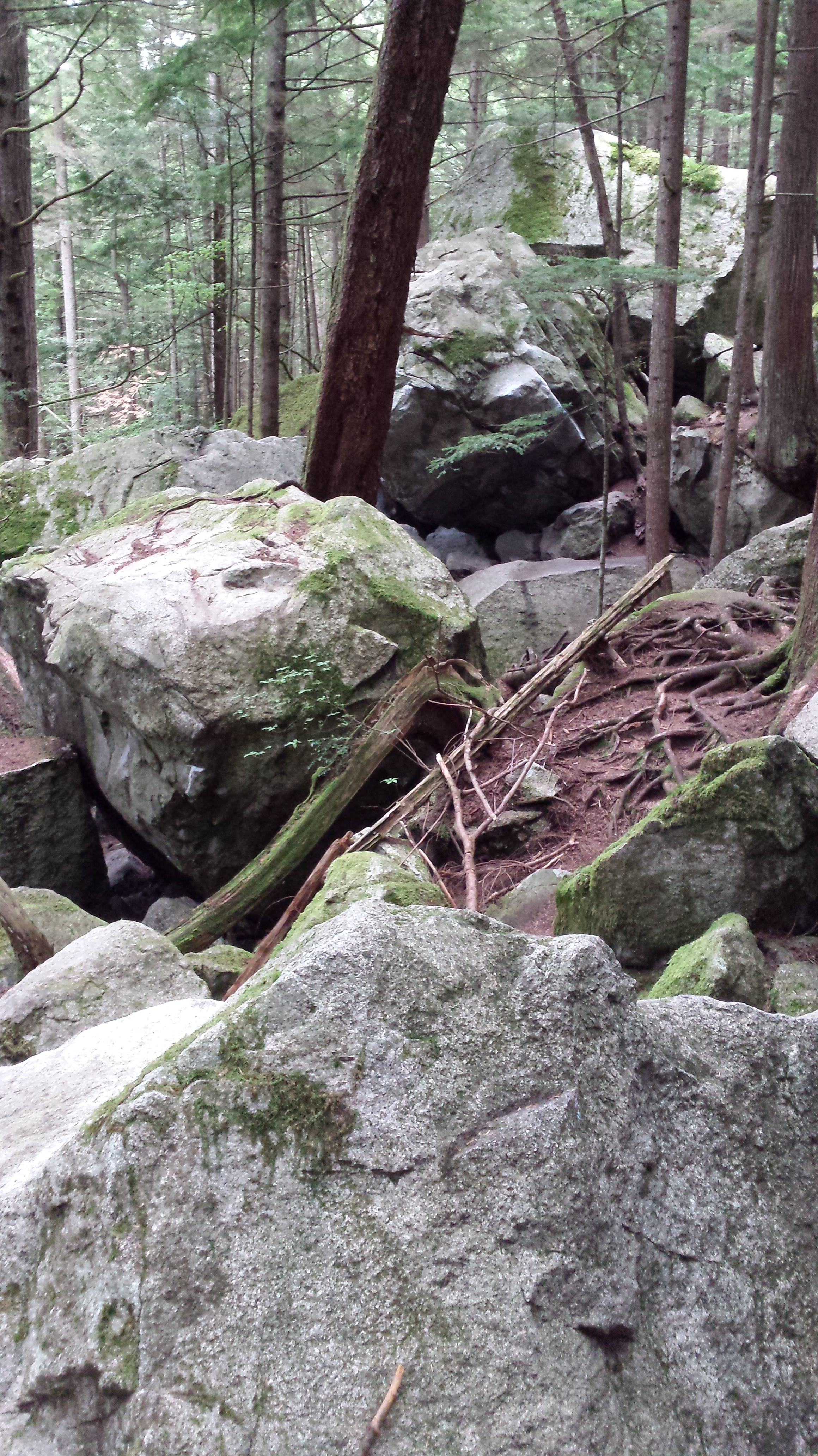

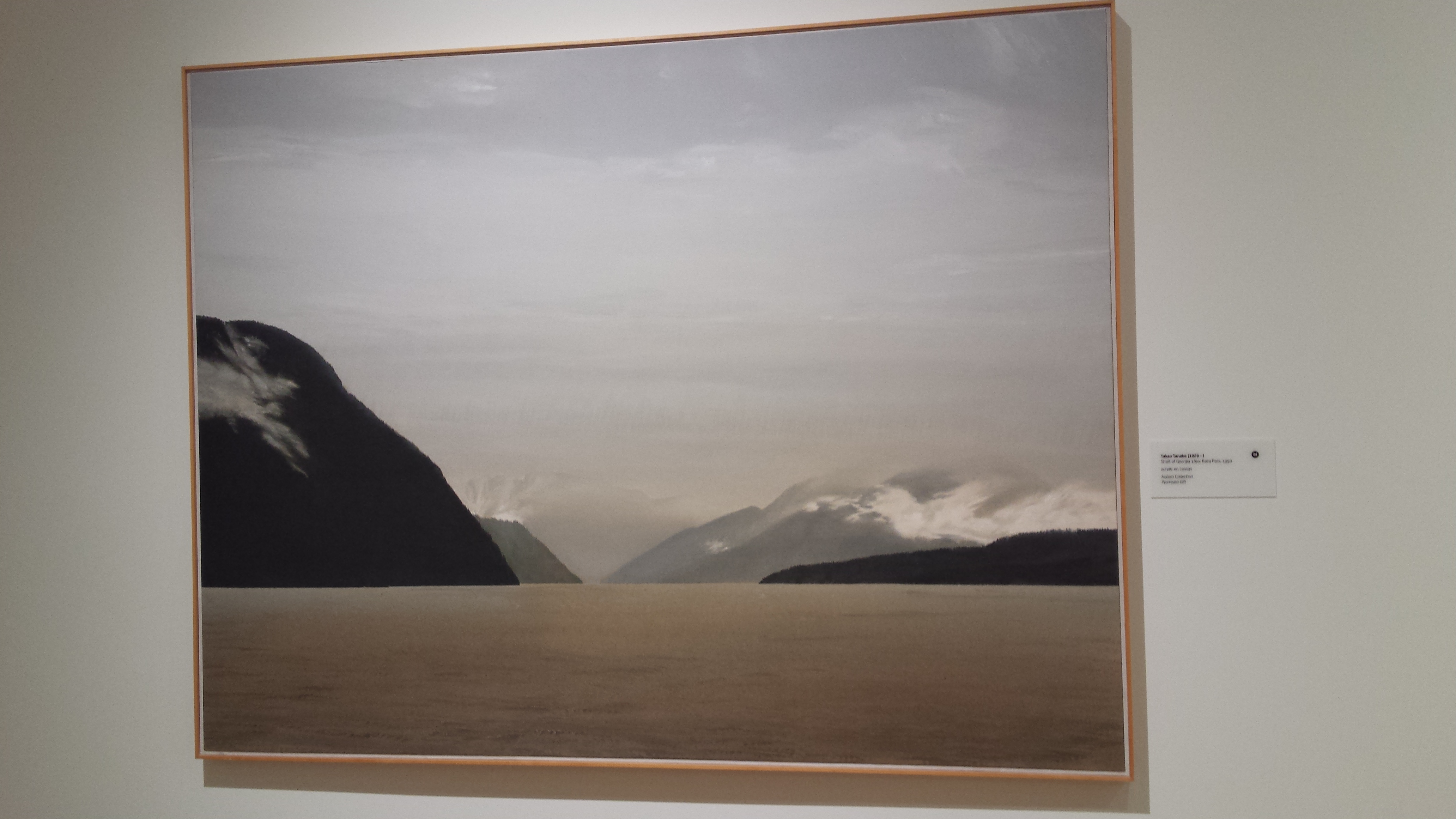
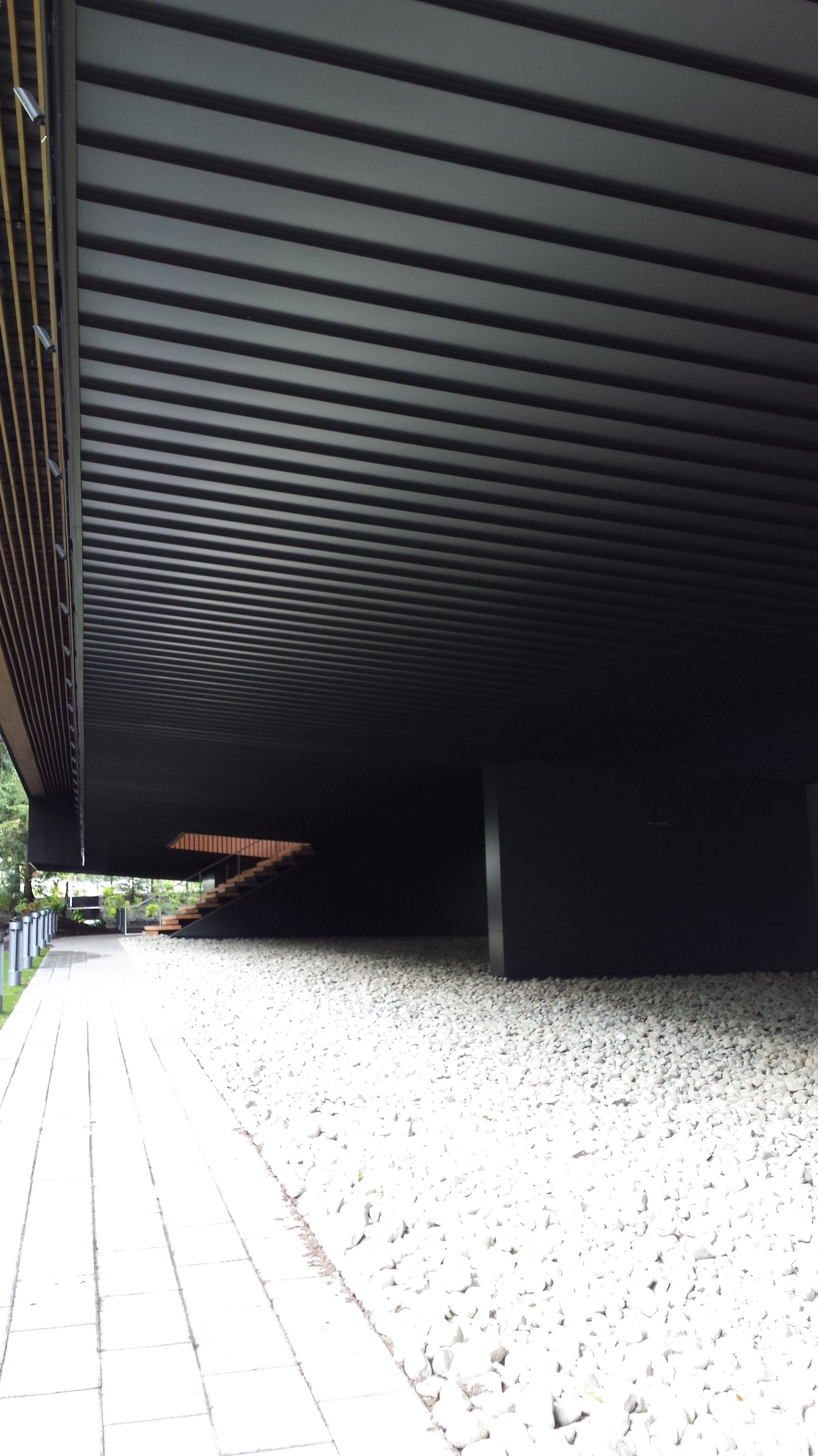
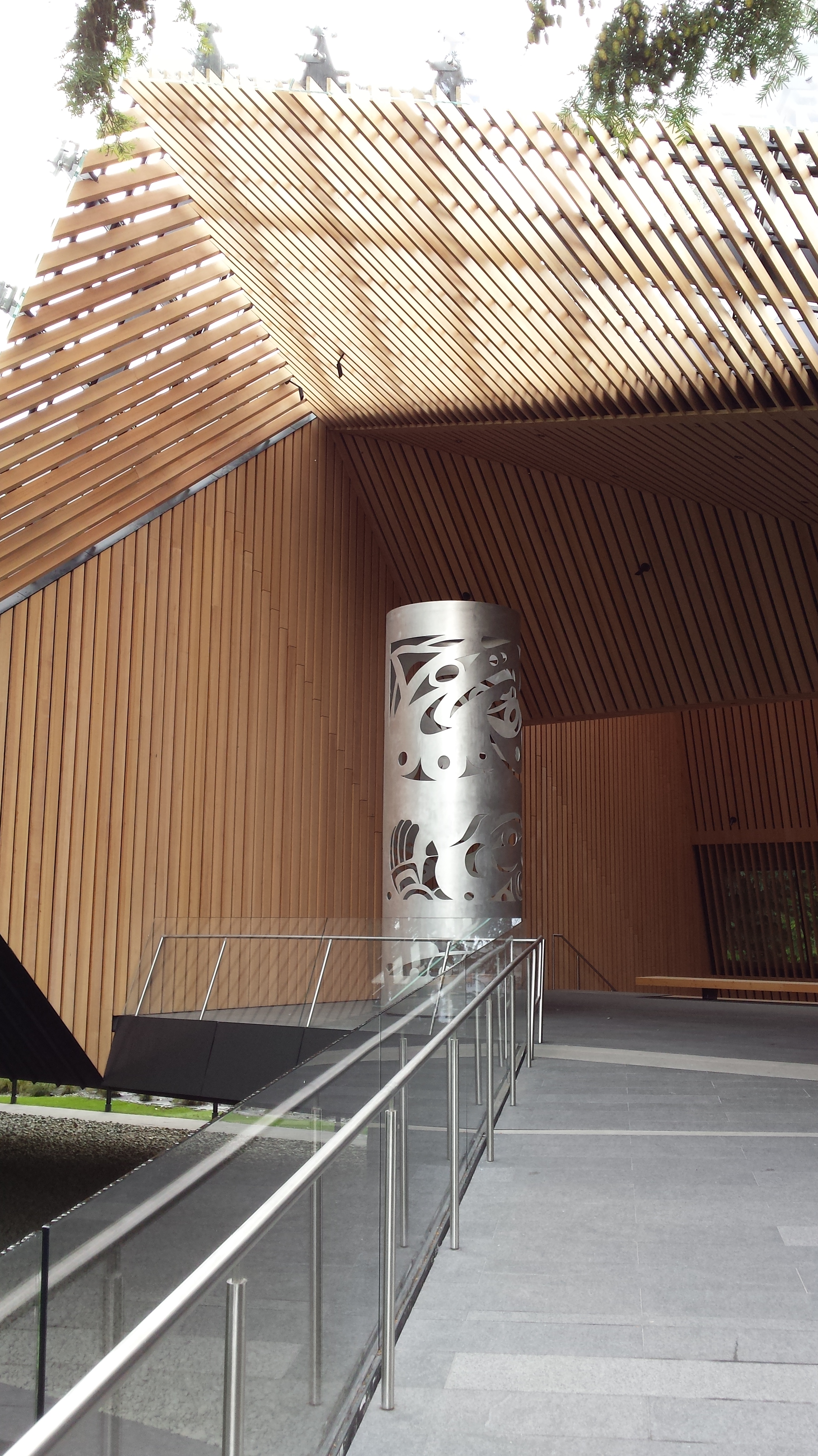
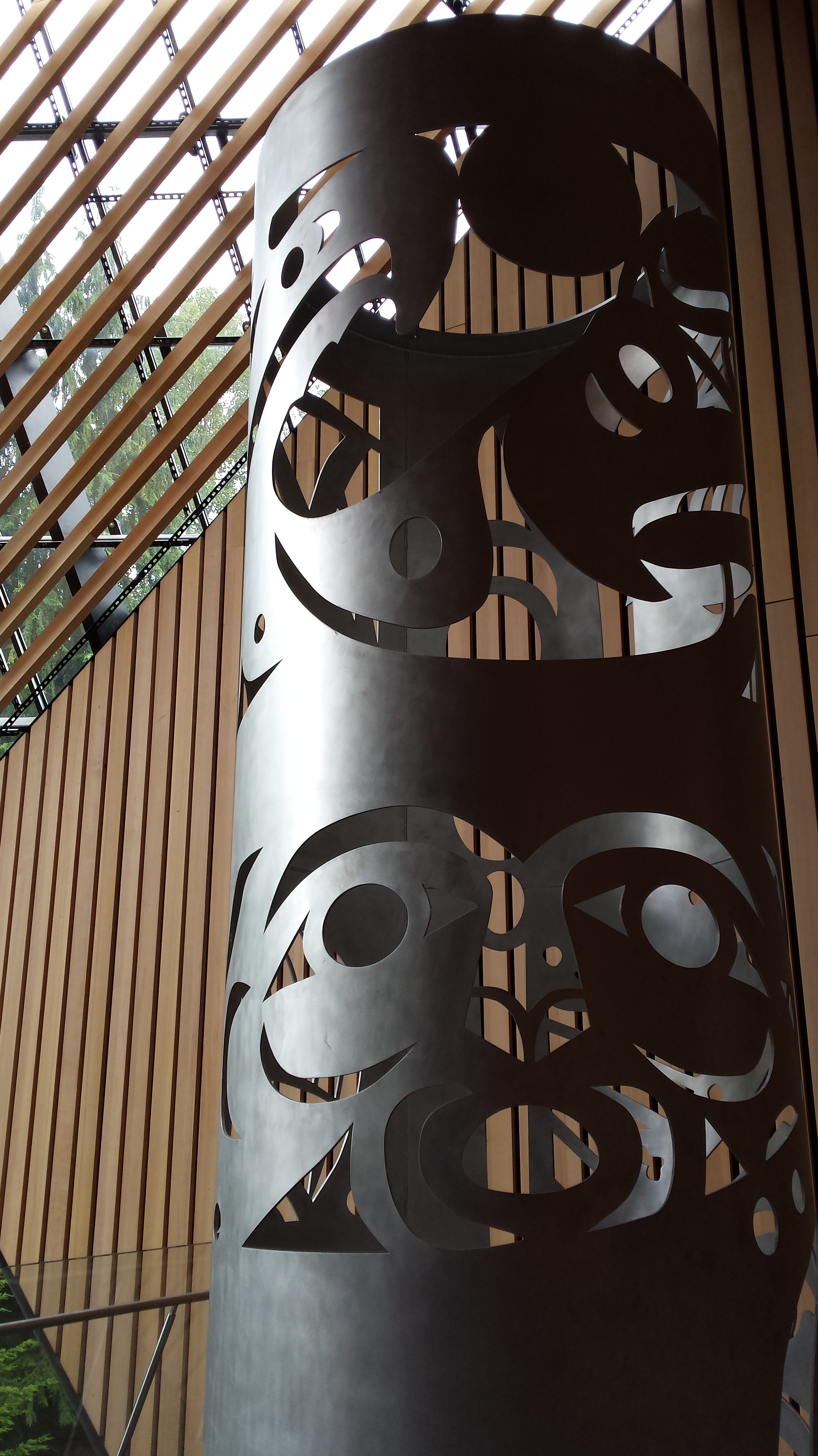
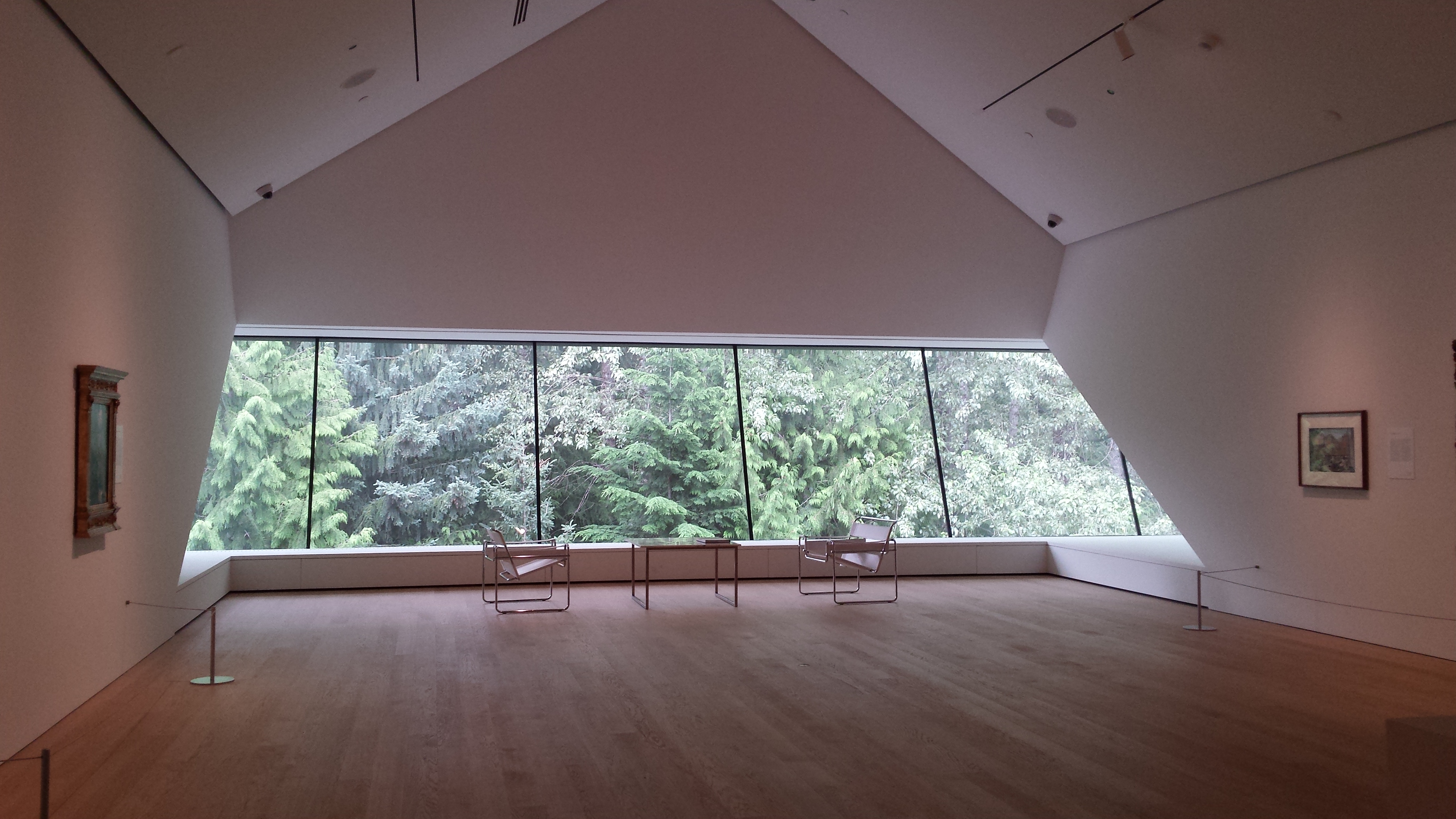
Audain Art Museum
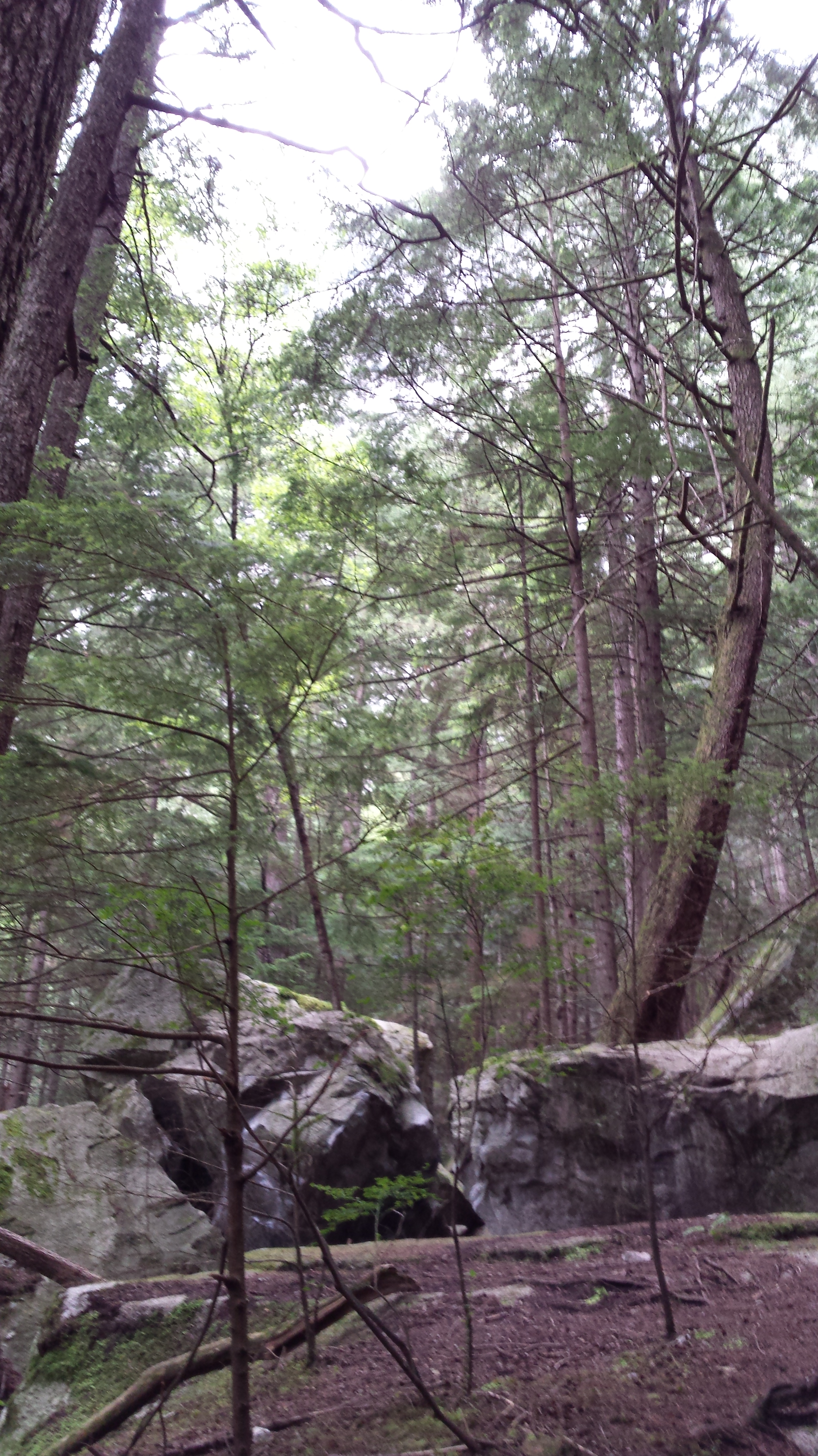
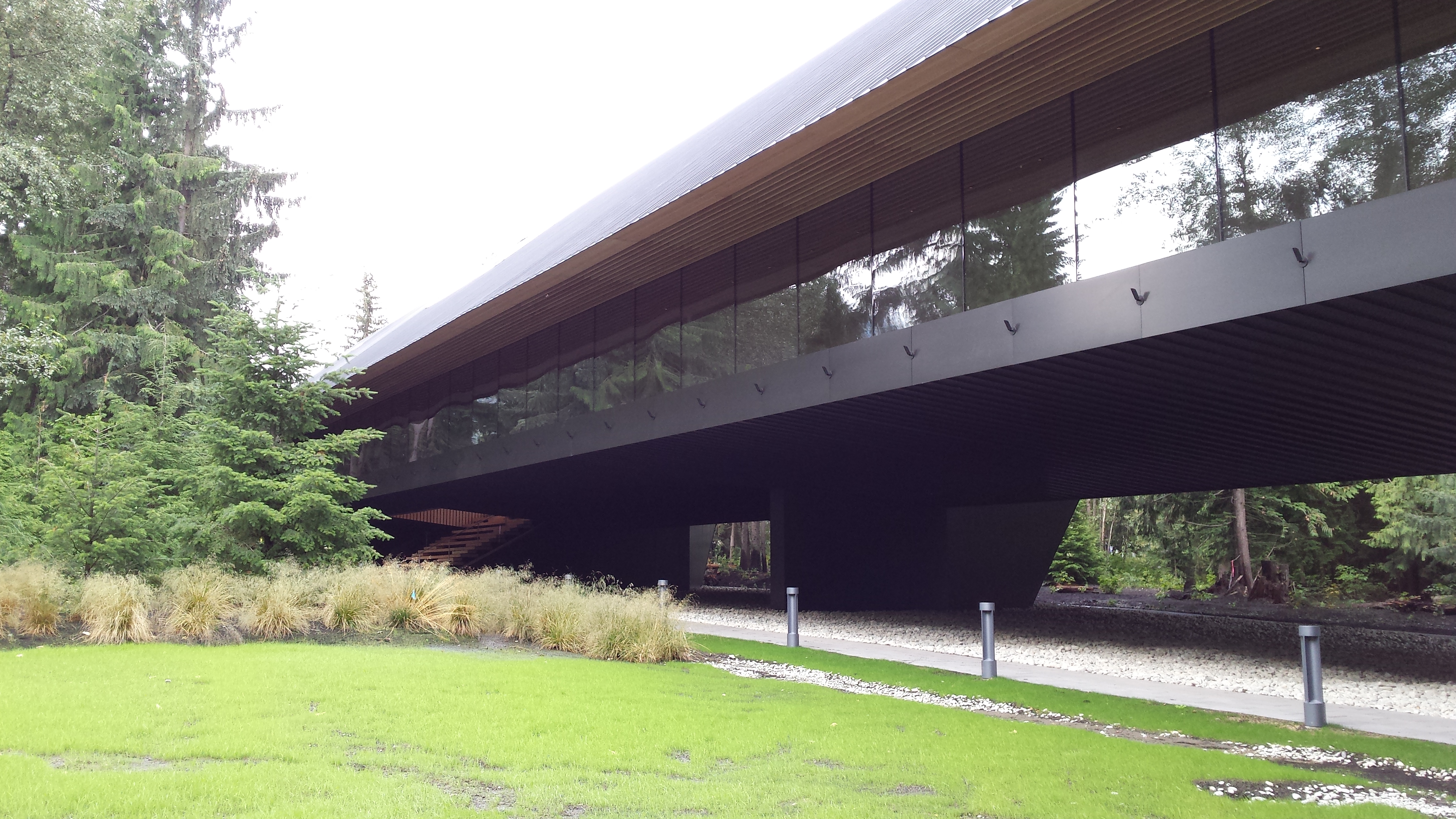 The Audain Art Museum. A stunner. Such beauty. It all works. Happy place.

Poumaka
It’s funny
that the moments in life
you’re the most proud of
often break you
before they build you
back up again.
~ Bouldering champion Angie Payne
POUMAKA :: Trailer from 3 Strings on Vimeo.
Mundo
 Y cuando asomas
suenan todos los ríos
en mi cuerpo, sacuden
el cielo las campanas,
y un himno llena el mundo.
~ Pablo Neruda
 JACQUELINE P. ASHBY