
Ice is like soil in the garden
A garden can’t grow without soil
and without ice, the polar ecosystems can’t survive.
Paul Nicklen via Human Nature, p. 94
Researcher ◆ Climber ◆ West Coaster
Ice is like soil in the garden
A garden can’t grow without soil
and without ice, the polar ecosystems can’t survive.
Paul Nicklen via Human Nature, p. 94
But now if one receives someone as a friend on the basis that he is good, but then he becomes, and seems, a bad character, should one go on loving him? Or is this not possible, given that not everything is lovable, but only what is good, and what is worthless is neither lovable, nor something one should love (for one should not be a lover of what is worthless, nor become like it, and it has been said that like is a friend to like)? So should one break off the friendship at once; or not in all cases, only where the badness is incurable.
Aristotle Nicomachean Ethics, p.229, 1165b15

Even ending in the sense of “disappearing” can still have its modifications according to the kind of Being which an entity may have. The rain is at an end—that is to say it has disappeared. The bread is at an end—that is to say, it has been used up and is no longer available as something ready-to-hand.
Martin Heidegger, Being and Time, pg. 289.
I do not fear the existential risk of super-intelligent AI (artificial intelligence). It’s NS (natural stupidity) that scares the hell out of me.
~ Grady Brooch
“As a species, humanity, we have changed up our mobility infrastructure multiple times. In the early 1800s, it was steam trains. We had to do enormous changes to our infrastructure. We had to put flat rails right across countries. When we started adopting automobiles around the turn from the 19th to the 20th century, we changed the roads. We changed the laws. People could no longer walk in the middle of the road like they used to. We changed the infrastructure. When you go from trains that are driven by a person to self-driving trains, such as we see in airports and a few out there, there’s a whole change in infrastructure so that you can’t possibly have a person walking on the tracks. We’ve tried to make this transition [to self-driving cars] without changing infrastructure. You always need to change infrastructure if you’re going to do a major change.” ~ Rodney Brooks
Just Calm Down About GPT-4 Already: And stop confusing performance with competence, says Rodney Brooks via IEEE Spectrum
“Design also plays a role in shaping the algorithms that keep users on social media platforms considerably longer than they intended. Many teens report diminished well-being after spending an hour (or six) at the hands of such algorithmic rabbit holes. Though a teen may have initially gone to YouTube or TikTok to watch a single video, the algorithms that seem to know them so well kept them watching far longer than they had originally anticipated.”
~ Katie Davis, Technology’s Child: Digital Media’s Role in the Ages and Stages of Growing Up, 2023
“In the forest there are unwritten guidelines for tree etiquette. These guidelines lay down the proper appearance for upright members of ancient forests and acceptable forms of behavior. This is what a mature, well-behaved deciduous tree looks like. It has a ramrod-straight trunk with a regular, orderly arrangement of wood fibers. The roots stretch out evenly in all directions and reach down into the earth under the tree. In its youth, the tree had narrow branches extending sideways from its trunk. They died back a long time ago, and the tree sealed them off with fresh bark and new wood so that what you see now is a long, smooth column. Only when you get to the top do you see a symmetrical crown.”
~ The Hidden Life of Trees by Peter Wohlleben
Do trees appreciate beauty?
The Human Face
by Paul Eluard

 I.
 Soon

Of all the springtimes of the world
This one is the ugliest
Of all of my ways of being
To be trusting is the best

Grass pushes up snow
Like the stone of a tomb
But I sleep within the storm
And awaken eyes bright

Slowness, brief time ends
Where all streets must pass
Through my innermost recesses
So that I would meet someone

I don’t listen to monsters
I know them and all that they say
I see only beautiful faces
Good faces, sure of themselves
Certain soon to ruin their masters

II.
 The women’s role

As they sing, the maids dash forward
To tidy up the killing fields
Well-powdered girls, quickly to their knees

Their hands -- reaching for the fresh air --
Are blue like never before
What a glorious day!

Look at their hands, the dead
Look at their liquid eyes

This is the toilet of transience
The final toilet of life
Stones sink and disappear
In the vast, primal waters
The final toilet of time

Hardly a memory remains
the dried-up well of virtue
In the long, oppressive absences
One surrenders to tender flesh
Under the spell of weakness

III.
 As deep as the silence

As deep as the silence
Of a corpse under ground
With nothing but darkness in mind

As dull and deaf
As autumn by the pond
Covered with stale shame

Poison, deprived of its flower
And of its golden beasts
out its night onto man

IV.
 Patience

You, my patient one
My patience
My parent
Head held high and proudly
Organ of the sluggish night
Bow down
Concealing all of heaven
And its favor
Prepare for vengeance
A bed where I'll be born

V.
 First march, the voice of another

Laughing at sky and planets
Drunk with their confidence
The wise men wish for sons
And for sons from their sons

Until they all perish in vain
Time burdens only fools
While Hell alone prospers
And the wise men are absurd

VI.
 A wolf

Day surprises me and night scares me
haunts me and winter follows me
An animal walking on the snow has placed
Its paws in the sand or in the mud

Its paws have traveled
From further afar than my own steps
On a path where death
Has the imprints of life

VII.
 A flawless fire

The threat under the red sky
Came from below -- jaws
And scales and links
Of a slippery, heavy chain

Life was spread about generously
So that death took seriously
The debt it was paid without a thought

Death was the God of love
And the conquerors in a kiss
Swooned upon their victims
Corruption gained courage

And yet, beneath the red sky
Under the appetites for blood
Under the dismal starvation
The cavern closed

The kind earth filled
The graves dug in advance
Children were no longer afraid
Of maternal depths

And madness and stupidity
And vulgarity make way
For humankind and brotherhood
No longer fighting against life --
For an everlasting humankind

VIII.
 Liberty

On my school notebooks
On my desk, on the trees
On the sand, on the snow
I write your name
On all the read pages
On all the empty pages
Stone, blood, paper or ash
I write your name

On the golden images
On the weapons of warriors
On the crown of kings
I write your name

On the jungle and the desert
On the nests, on the broom
On the echo of my childhood
I write your name

On the wonders of nights
On the white bread of days
On the seasons betrothed
I write your name

d'azur On all my blue rags
On the sun-molded pond
On the moon-enlivened lake
I write your name

On the fields, on the horizon
On the wings of birds
And on the mill of shadows
I write your name

On every burst of dawn
On the sea, on the boats
On the insane mountain
I write your name

On the foam of clouds
On the sweat of the storm
On the rain, thick and insipid
I write your name

On the shimmering shapes
On the colorful bells
On the physical truth
I write your name

On the alert pathways
On the wide-spread roads
On the overflowing places
I write your name

On the lamp that is ignited
On the lamp that is dimmed
On my reunited houses
I write your name

On the fruit cut in two
Of the mirror and of my room
On my bed, an empty shell
I write your name

On my dog, young and greedy
On his pricked-up ears
On his clumsy paw
I write your name

On the springboard of my door
On the familiar objects
On the wave of blessed fire
I write your name

On all harmonious flesh
On the face of my friends
On every out-stretched hand
I write your name

On the window-pane of surprises
On the careful lips
Well-above silence
I write your name

On my destroyed shelter
On my collapsed beacon
On the walls of my weariness
I write your name

On absence without want
On naked solitude
On the steps of death
I write your name

On regained health
On vanished risk
On hope free from memory
I write your name

And by the power of one word
I begin my life again
I am born to know you

To call you by name: Liberty!
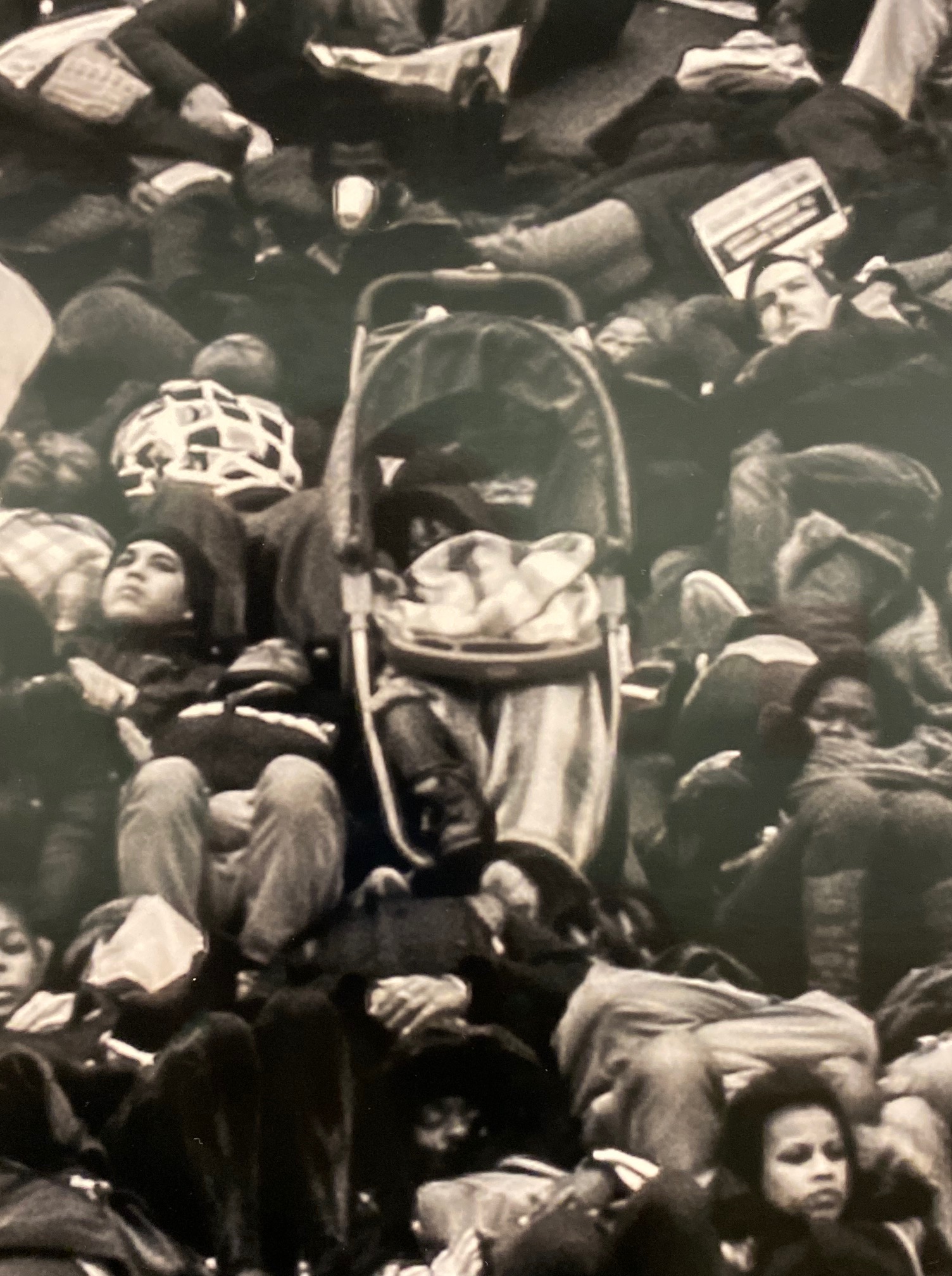
Perhaps a more accurate vision of future womb technology is not the baby in the bag, or the jar on the shelf, but a spinning chamber, its apertures a metal honeycomb of human embryos perfectly calibrated to revolve around some unheard, vital rhythm. Perhaps the questions we ask are not so hypothetical, after all; perhaps we delude ourselves by thinking that our reproductive future holds divergent paths: one of flesh, one of steel. Perhaps there is no “if”; there is only “when.”
~ Leah Hazard, Womb: The Inside Story of Where We All Began
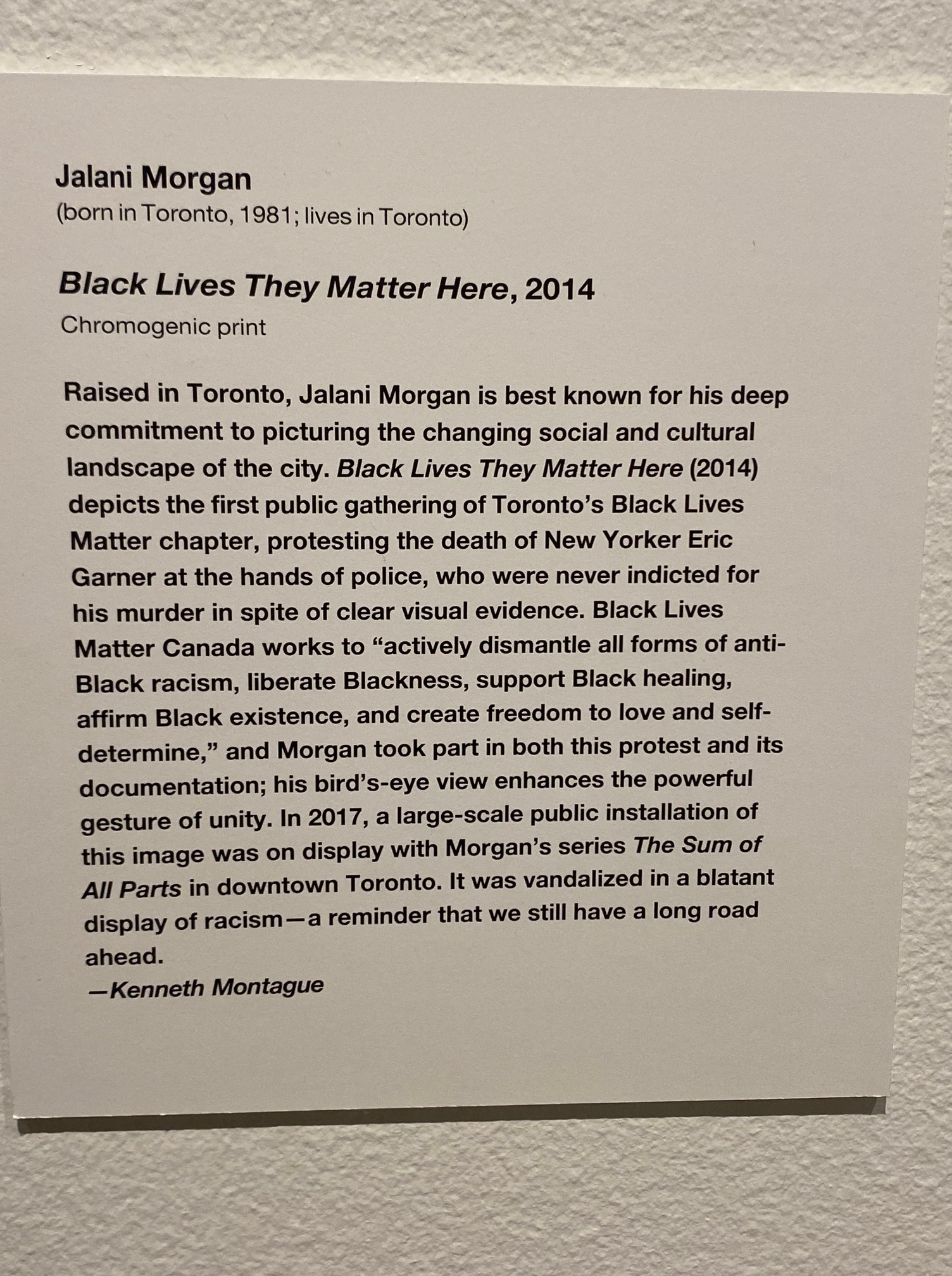
Human beings are the ones that hold earth’s fate in our hands. We really do need to pay attention and look these animals in the eye. Hopefully then people will decide whether the future of life on earth is worth it.
~ Joel Sartore
The kilns in which I bake my work have taught me much concerning the violence of fire; but among other things they have made me know the strength of the elements which generate earthquakes. ~ Bernard Palissy



 JACQUELINE P. ASHBY