“Meaning is not something out there waiting to be discovered but something that we create in our own lives.” Why am I here? What’s my purpose in life? Will I find happiness? Is the golden ticket wrapped around this chocolate bar? The British Humanist Association has created a series of animated shorts on Truth, Death, and Happiness that attempt to address these questions (well, not the golden ticket one…that’s mine!) or at least provide a framework for further exploration. In light of our recent global events, I posted the video above on Right or Wrong. I also like this snippet on Happiness:
Author Archives: Jacqueline Ashby
Exploring the intersection between person and place.
Théo de Blic: The Sounds of Paragliding
Théo de Blic’s acrobatics are absolutely amazing. I’ve watched paragliders over the years but have yet to view anything as radical Théo’s stunts. Innovation is sort of a funny thing. It’s usually driven out of a desire to solve a problem and in this case it seems like boredom was the issue. However, the consequences he faces during his testing phase can include injury and death. Pretty drastic if you ask me but incredibly entertaining nonetheless! Keep tabs on this high flyer here and here.
Tom & Ross Would Go
I have a few guilty pleasures in life. One of them is sitting back munching on a massive handful of buttered popcorn while watching a surf flick. For years, I loved lounging to Endless Summer (1966) and daydreaming about the break off Cape St. Francis in South Africa. Then I became addicted to Riding Giants (2004) featuring Laird Hamilton. My whole body experiences chicken skin as he drops in on Teahupoo. Everything about the moment is just perfect. Watch for yourself!
But Tom Carroll and Ross Clark-Jones from Storm Surfers have captured both my heart and soul. On film (and I suspect off) they share this amazing corky chemistry and camaraderie. I distinctly recall Tom and Ross in the 80s when they were on the ASP World Tour. Fast forward 30 years and these 40-something larger-than-life men are still carving it up at some of the world’s toughest breaks.
Released in 2012, Storm Surfers was also broken down into 4 television episodes allowing surfing enthusiasts the opportunity to learn more in detail about Ross and Tom’s hunt for the biggest wave. The amazing Mark Mathews (this guy slices Cape Solander like it’s butter!) and big wave surfer Paul Morgan also make several appearances. The movie and the tele episodes are available via Netflix. It’s so worth the watch!
Charles Limb: Your Brain on Improv
The Missing Scarf
Narrated by George Takei (yep, the Star Trek dude), The Missing Scarf is sort of this crazy, adorable, black comedy flick that leads us through a journey about our fears. In the end, I was so caught up in that little origami squirrel Albert and his friends that I didn’t know whether to shed a tear or bust up laughing. Interested in learning more about the inspiration behind the piece? Here’s a brief interview with Vancouver-based creator Eoin Duffy. Grab your espresso, sit back, and enjoy!
Dolphin Cove
Five years ago I watched The Cove and was shocked to learn that Japanese fishermen in Taiji were slaughtering thousands of dolphins a year. Effort and energy is being invested in educating and informing the people that this cultural practice of killing and consuming dolphins is inhumane and unhealthy; however, the annual hunt continues and the season is just beginning. #stoptheslaughter
Numberphile: The Scientific Way to Cut a Cake
Thank you to the brilliant Alex Bellos for educating me on the proper way to cut a cake. I wish I had viewed this last month when we celebrated three birthdays! To learn more about Alex’s work, check out his recent publication The Grapes of Math.
Bake Pizza Ride Bikes
After my trip to Little Italy this past weekend, I had to post this video. There’s a simple recipe to a happy and fulfilled life. Live your passion and find the beauty in what you do.
Moshe Safdie: How To Reinvent the Apartment Building
Architecture should be rooted in the past, and yet be part of our time and forward looking. ~ Moshe Safdie
Knee High Design Challenge
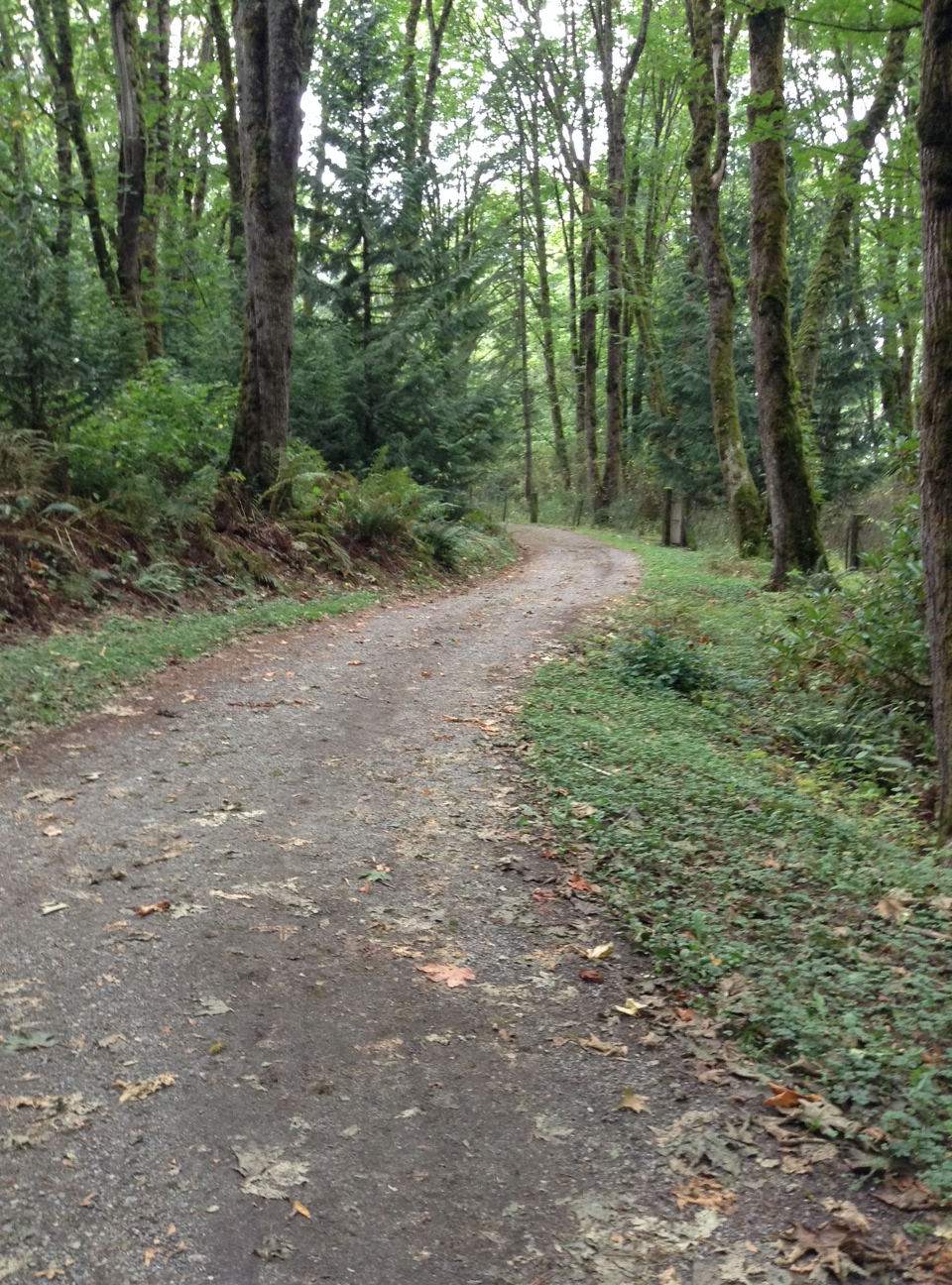
I’ve been closely following the Design Council’s Knee High Design Challenge. The challenge consists of a series of teams working to “improve the health and well-being of children under five and their families.” At this stage, the teams have designed and implemented their programs and are now gathering data/feedback to better understand the impact that these activities have in their participants’ lives. Evaluation is such a key component in the design process and its certainly emphasized in the short clip above. In this case, program designers realized that the walk to and from their destination was as important to the children as the destination itself. It was from this information, designers heightened their participants’ experience and engagement by creating innovative, exploratory paths for children and their parents to venture through. And as I watched the children walk hand in hand to the park, a verse from The Road Not Taken came to mind. It’s all about the journey folks! Even for the wee ones!
I shall be telling this with a sigh
Somewhere ages and ages hence:
Two roads diverged in a wood, and I--
I took the one less traveled by,
And that has made all the difference.
 JACQUELINE P. ASHBY