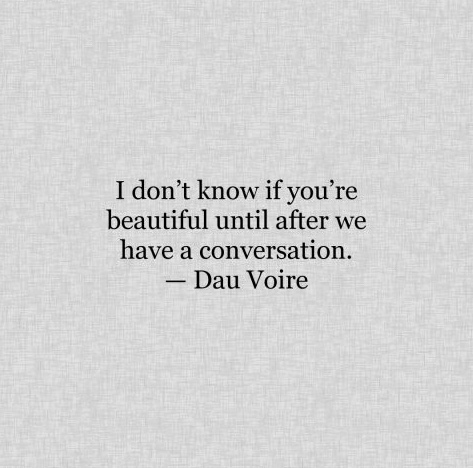
 via SwissMiss
Category Archives: Uncategorized
Salt
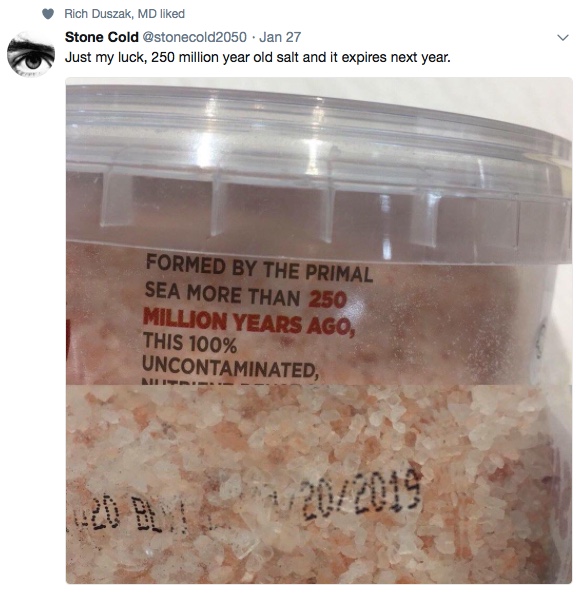 Baha! Story of my life.
kumulāʻau
 Nui koʻu mahalo i koʻu nohoʻana ma waena o kēia mau lāʻau maikaʻi.
Powder
 This is sheer happiness to me. 🙂
Hues


Interpretation
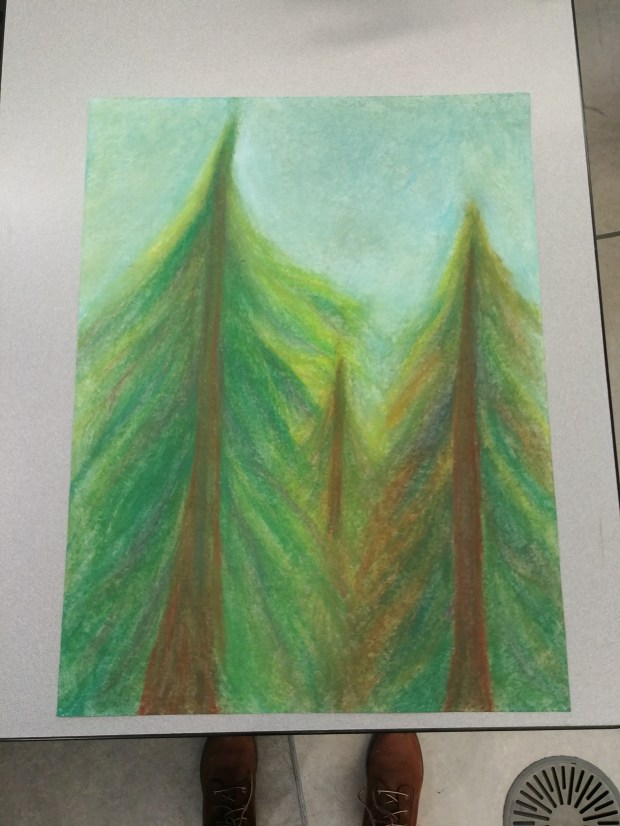 Enjoy Michael! Looking forward to the children’s visual interpretation of my interpretation of Emily Carr’s work. 🙂 #MakeMoreArt
Listen
Covah
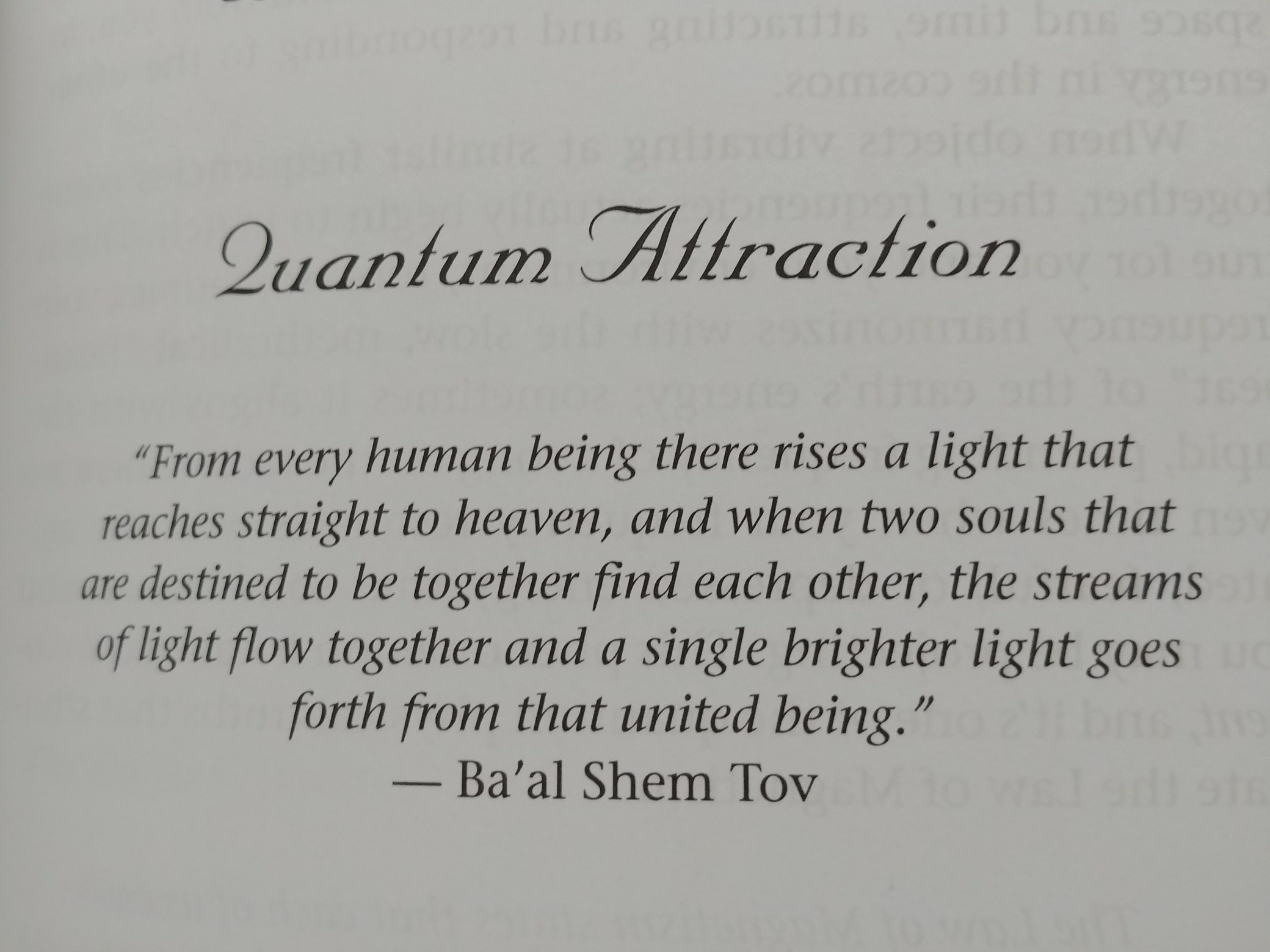 When I was given the book that contains this quote above, my first reaction was to take the small brick of pages and smack the person over the head who gave it to me. This was because I judged the contents of the book by its cover (And it is a ridiculous cover. You have to trust me on this. The book’s saucy jacket was designed to sell copies and fails to honestly reflect the contents). It certainly evoked my inner prude! Ha! But then I began flipping through the pages and realized that it was about quantum mechanics and the energy we create, share, and absorb. And I love quantum mechanics. So, I want to apologize for disrupting a very civil breakfast with my quick-to-judge reaction and whack over the noodle. I’ve learned. Again. 🙂 #NevahEvahJudgeABookByItsCovah
Mistakes
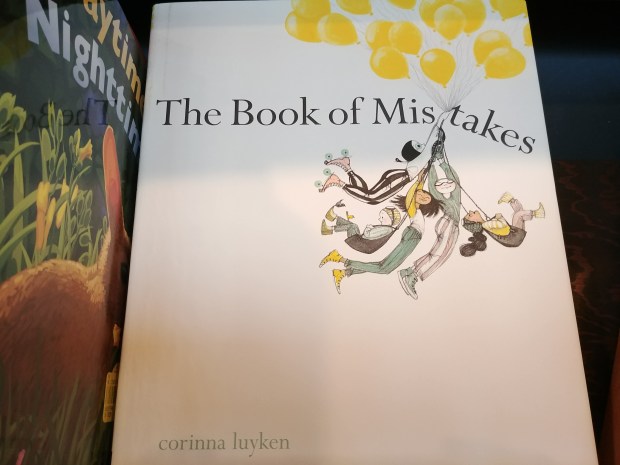 I believe that this may be the first book that has brought me to tears in a public venue. The illustrations are simply divine. But the driving message to view our mistakes or misgivings as opportunities to engage our creativity and to accomplish our goals…it just hit home. I had to go hide out in the kiddie corner and wipe my tears. And Yes! I too will make a cupcake hat and eat my hat! #CaldecottMedal #TheBookOfMistakes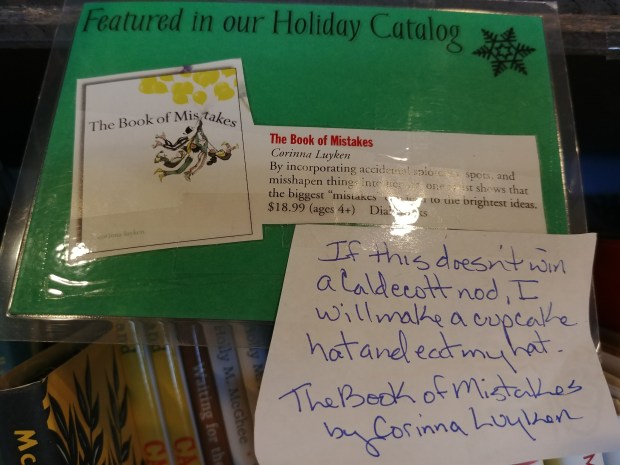
Unpack
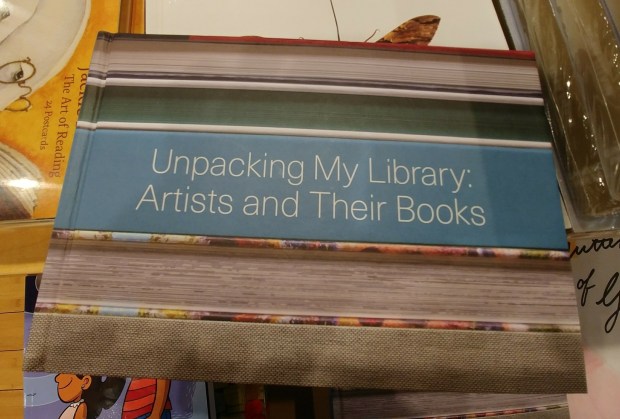 Mark Dion! Best library evah! Everything about it works and it just takes everything out of me to keep from wanting to pry one of those books from the middle of your stack. The tree bark! Stunning.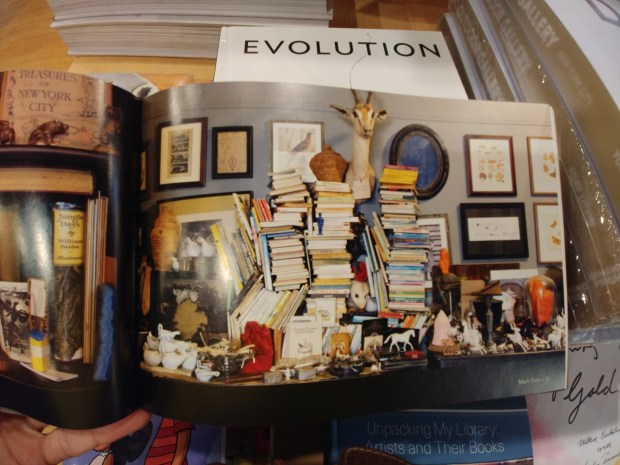

 JACQUELINE P. ASHBY