Humanitarian

OCHA Humanitarian Situation Report – 19 March 2026

Child Protection

  • Between 8 and 15 March, child protection partners reached over 2,700 children with mental health and psychosocial support (MHPSS) and recreational activities.
  • Case management services were scaled up to respond to increasing protection concerns, with 150 children newly registered and supported through tailored interventions, including follow-up and referrals for specialized services to ensure continuity of care.
  • Over 800 caregivers participated in child protection awareness sessions, including explosive ordnance risk education, with awareness materials and protection messaging also distributed in displacement settings.
  • Child protection services were complemented by assistance, including cash support to 661 families with children facing protection vulnerabilities, as well as clothing kits provided to 40 children.
  • Between, 8 and 15 March, UNICEF also brought into Gaza 600 wheelchairs for children with injuries and disabilities.
  • Partners report increasing violence against children, driven by overcrowded shelters, heightened caregiver stress, and the breakdown of family and community support structures. Many areas still lack adequate child‑friendly spaces due to congestion in shelters and displacement sites, and partners emphasize the need to integrate safe spaces when new sites are established. Ongoing fuel shortages and limited cash liquidity for transportation also continue to restrict staff mobility, hampering access to operational locations and the delivery of child protection services. At the same time, there remains a significant shortage of psychologists, counsellors and trained psychosocial workers, limiting the capacity to meet the growing mental health and protection needs of children.

Addressing Gender-Based Violence

  • On 8 March and throughout the following week through 15 March, partners addressing gender-based violence (GBV) marked International Women’s Day through a range of activities, including workshops, art and painting sessions, bazaars and inclusive events for persons with disabilities. These initiatives reached over 2,000 participants and focused on promoting women’s empowerment, supporting vulnerable groups, and recognizing the contributions of frontline workers and women leaders.
  • Multisectoral services addressing GBV continued to be provided through 68 safe spaces for women and girls, two safe shelters, and multiple case-management and awareness-raising points. Between 8 and 15 March, partners conducted more than 530 daily group sessions, reaching over 13,500 people with legal aid, sexual and reproductive health information and psychosocial support. Individual case management, including cash‑for‑protection assistance, was also provided. To address the growing intersection between mental health and GBV, a dedicated session was held for 22 partners, focusing on service linkages. The MHPSS Technical Working Group additionally shared an updated GBV referral map to strengthen integrated response and prevention efforts. Partners reported operational challenges due to rising costs of materials needed for group activities – such as handicrafts and pastry making – as well as increasing transportation costs.
  • Eighteen partners distributed dignity kits to 15,000 vulnerable women and girls between 8 and 15 March.

Education

  • During the reporting period, 64 Education Cluster partners continued efforts to maintain and expand safe learning spaces, support the delivery of structured learning and psychosocial support, equip and train educational personnel, and promote protective and inclusive learning environments for children. Particular attention was given to reaching girls, children with disabilities, and other vulnerable groups.
  • However, the scale and quality of the response continue to be affected by the challenging operating environment in Gaza, including extensive damage to education infrastructure, overcrowding in displacement sites, limited space for learning, and restrictions affecting the entry of supplies and movement of personnel. Recent NGO deregistration measures are further constraining the Cluster’s ability to expand and sustain the education response, reducing technical capacity and limiting NGOs’ ability to bring staff, supplies, and learning materials into Gaza. These constraints continue to pose significant obstacles to meeting the education needs of all children across the Gaza Strip.
  • By mid-March 2026, 494 temporary learning spaces (TLSs) were operational in Gaza, accommodating 300,243 students (54 per cent girls) currently attending classes, supported by 7,854 teachers (73 per cent female). Out of the enrolled students, 287,500 are school-aged children and 12,743 kindergarten-aged children. Of the total 1,923 are children with disabilities.
  • Despite this progress, only about 39 per cent of all school-aged and kindergarten-aged children (ages 4–17) for the 2025–2026 academic year are enrolled in these TLSs, highlighting the significant gap that remains in access to education. In neighborhoods with high displacement, existing TLSs cannot meet the demand, leaving thousands of children unreached. If this gap is not addressed, children risk falling behind academically, losing critical psychosocial support, and facing long-term consequences for their development and future opportunities.
  • Between 7 and 16 March, education partners brought into Gaza 428 learning kits, sufficient for approximately 17,000 learners.

Palantir

Applauding New York City hospitals recent move to design a system tailored to its own healthcare context while ensuring that their patient data remains in-house. The NHS and Canada should consider a similar approach. More on the topic below:

Ensuring the sovereignty and security of Canadian health data via CMAJ.

New York City hospitals drop Palantir as controversial AI firm expands in UK via The Guardian.

Patients

“But to be truly human means not abandoning those who need your humanity.
Tell the world about us. Tell them that we were more human than those who only claimed to be. Tell them we chose death over abandoning our noble mission. Do not call us heroes-just tell them we understood what it truly means to be human.”
~ Mohammed Saqer, Nursing Director, Nasser Medical Complex.

Two years into the conflict, and physicians and humanitarian workers continue to describe devastating conditions in Gaza. Dr. Elise Thorburn’s account of providing care in Gaza is deeply troubling. Her description of children with traumatic injuries, families living in tents, and hospitals operating with severe shortages reflects the devastating human consequences of prolonged conflict.


These concerns echo themes raised in recent conversations at UBC’s RECAP: Health Report from Gaza, where speakers drew attention to the destruction of healthcare infrastructure in Gaza, the extreme pressures on physicians and trainees, and the broader humanitarian implications of sustained attacks on civilian life and medical systems.

“A 25-year-old male patient who had shrapnel injuries, where you ‘cannot imagine how dirty the wounds of war are when the outside wound is so small.’ The patient first had their leg amputated, then succumbed to infection in an abdominal wound.” ~ Dr Deirdre Nunan and Co-Director of the Centre for Climate Justice

At minimum, these accounts from multiple communities call on us to resist indifference. They ask us to recognize the human cost of conflict, to uphold the protection of civilians and healthcare workers, and to affirm the importance of humanitarian principles in times of profound suffering.

As members of an academic and healthcare community, we have a responsibility to engage seriously with these realities, to support the protection of healthcare workers and patients, and to affirm the importance of human dignity, medical neutrality, and access to care.

N.L. doctor recounts horrors of month working in Gaza hospital treating Palestinian patients via CBC News.

Scared and malnourished – footage from Gaza shows plight of children and aftermath of Israeli strike via BBC.

BC Physicians Against Genocide Instagram Link.

UBC’s RECAP: Health Report from Gaza via UBC Climate Justice.

Citizenry

” I think it is more difficult these days to define what makes a good citizen than it has ever been before. Certainly all any of us can do is follow our own conscience and retain faith in our democracy. Sometimes it is the very people who cry out the loudest in favor of getting back to what they call “American Virtues” who lack this faith in our country. I believe that our greatest strength lies always in the protection of our smallest minorities.
– Charles Schulz

Letter to a 10-year-old fan, 9th November 1970

Qubits

Brilliant minds, world-changing ideas, and apparently an excellent visual for explaining quantum key cryptography.

Before cloud storage, crypto wallets, and internet banking, Charles Bennett and Gilles Brassard were already rethinking secrecy itself.

Their pioneering work in quantum key cryptography earned them the A.M. Turing Award this year, and for good reason: they helped lay the foundation for secure communication in a future where traditional encryption may no longer be enough. I highly recommend the read: https://www.cnn.com/2026/03/18/science/quantum-key-cryptography-turing-award-winners

Also, in a completely non-technical observation, I initially thought these were cake pops, which may say more about me than quantum science 🤣. Don’t even think about it Starbucks.

AIEOU

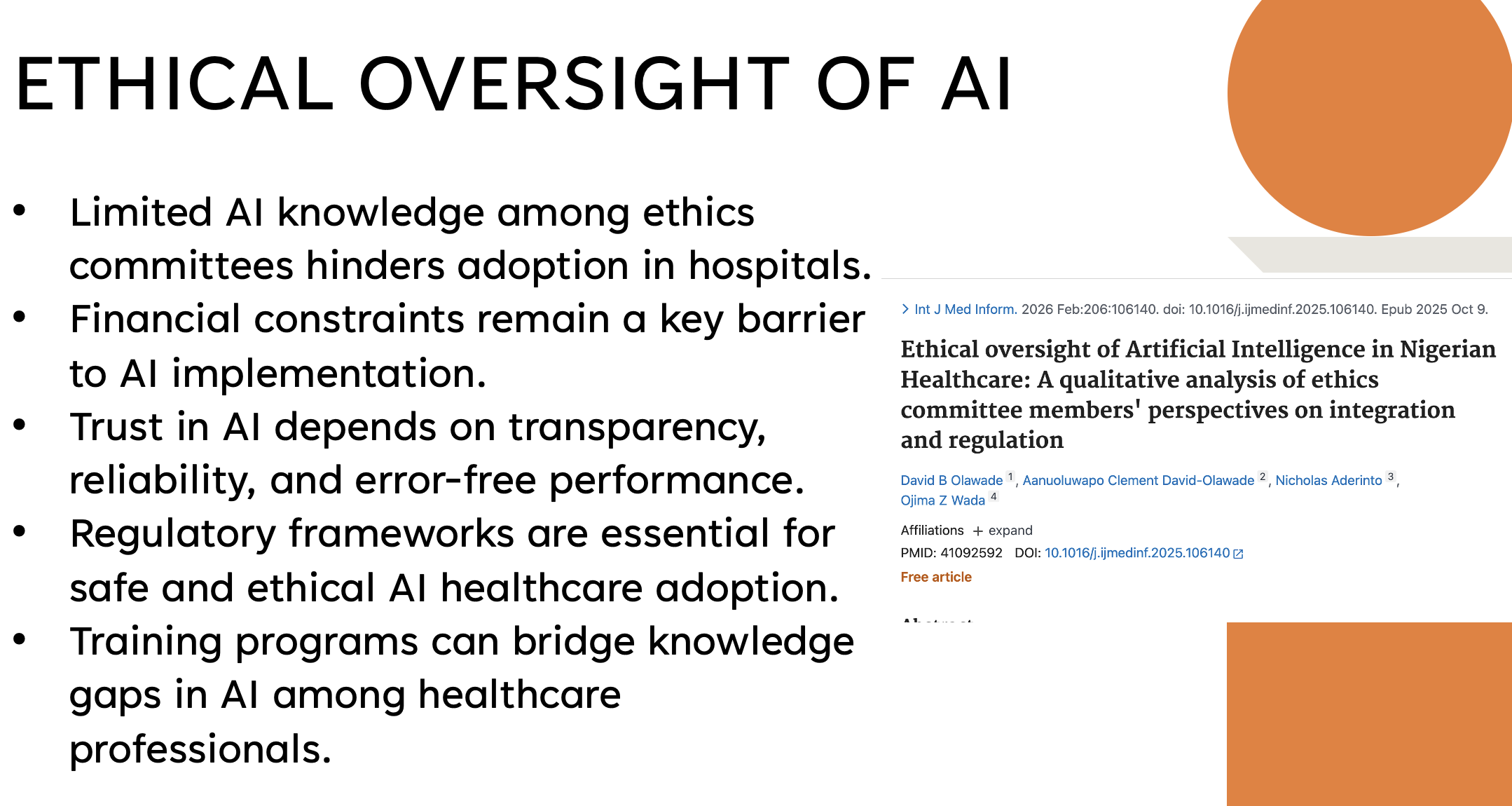
This morning I learned that the University of Oxford’s AIEOU team published its Shared Research Agenda. I was thrilled to contribute to the work and to see such a thoughtful, human-centred approach reflected in the final piece.

It is an important paper because it gauges where many people’s heads are at with AI and its application in education. It also shares numerous questions being raised by us all regarding AI’s potential influence on human flourishing, learning, agency, equity, and governance. On a side note, if you’re passionate about AI and education, I’d encourage you to peruse these questions for potential dissertation topics :).

Reading it also made me think about the evidence needed to guide responsible use in education. Every week there’s another paper suggesting some kind of cognitive impact. We need this type of grounded, interdisciplinary thinking to explore this space right now.

Learn more about AI in Education at Oxford University (AIEOU): https://aieou.web.ox.ac.uk/node/4111406

Download the Shared Research Agenda:
Ratner, S., Nie, D., Williams, R., Wonnacott, E., & Trefethen, A. (2026). AIEOU shared research agenda 2026. Department of Education, University of Oxford. https://ora.ox.ac.uk/objects/uuid:325b6269-35d7-46a6-945f-3b310b662c37

Research Rounds

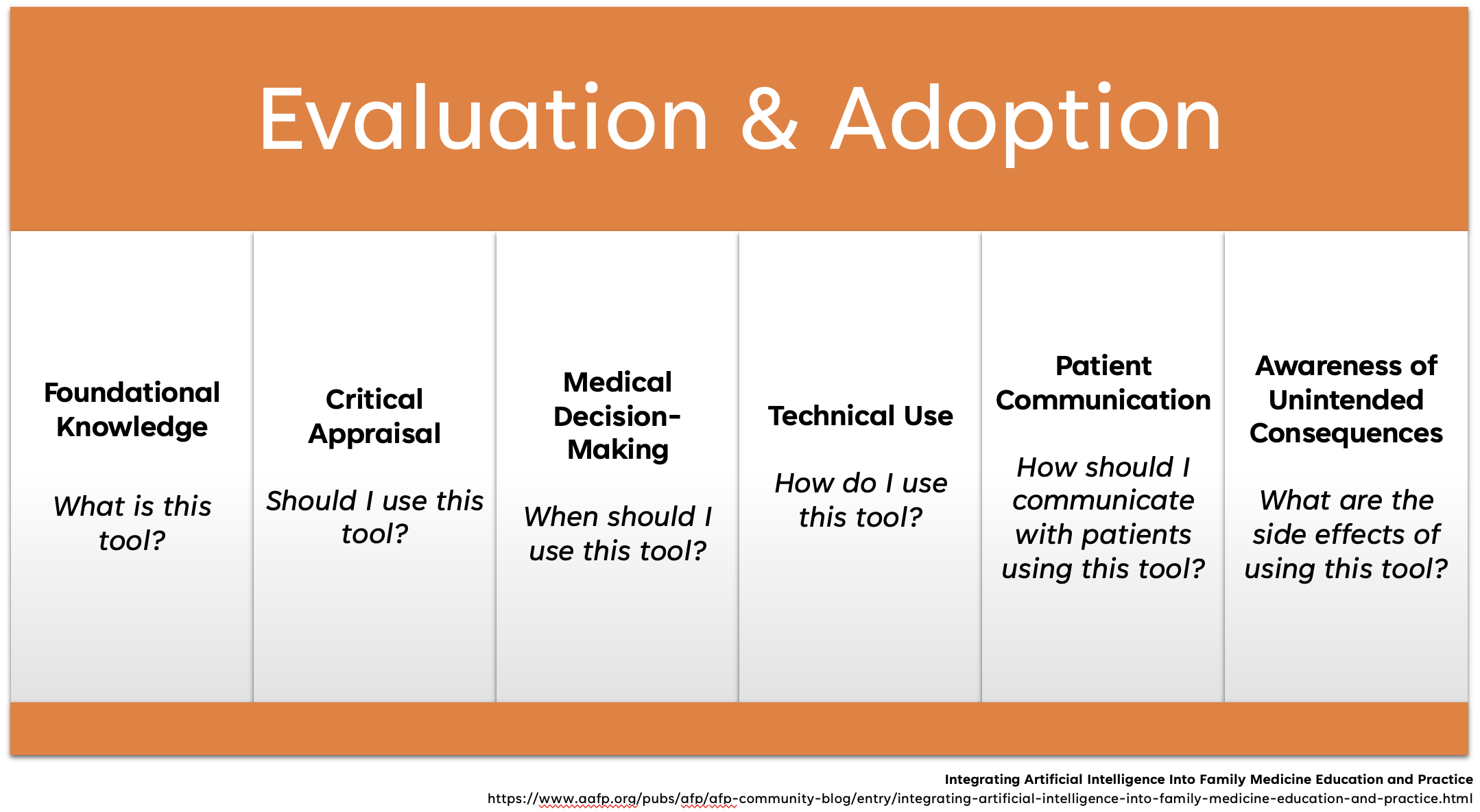
AI’s expansion in the academic and clinical learning environment is raising questions about the role of advanced technologies in education and patient care. This panel explores how primary care clinicians and medical educators are exploring the application of AI, in addition to its tensions, opportunities, and concerns in its current and future use.

The focus of this conversation is to share insights, research, perceptions, and experiences with the use of AI in our academic and healthcare settings. 

Learn more and register here: https://familypractice.ubc.ca/april-2026-research-rounds-a-in-family-medicine/

Submit and vote on questions you’d like to see during this Q&A: https://www.questionwave.com/q/ej0Yjkkf79

Nepal

Hello Simulation Community! I’m sharing the request below on behalf of Respiratory Therapists Without Borders, a volunteer-run Canadian charity currently supporting a 200-bed mission hospital in rural Nepal.

The organization is primarily seeking simulation-related supplies and equipment to help strengthen local healthcare education and build simulation capacity in a training-focused hospital setting. In addition, there is interest in connecting with simulation labs or educators in Canada who may be open to hosting an observer visit or site visit this summer.

If you or your organization have the capacity to support this initiative, whether through equipment donations, advice, mentorship, or an opportunity to observe simulation programming, please reach out directly using the contact information in the email below.

Thank you, everyone, for considering how you might support this meaningful global health education effort.

Contact Information:
Eric Cheng, RRT, CRE, FCSRT
Simulation Based Education MSc Candidate 2028
Co-Founder & Co-Culture Creator
Respiratory Therapists Without Borders
Registered Canadian Charity
eric@rtwb.ca || www.rtwb.ca
+977.980.473.9485 (Nepal)
+1.778.807.9117 (Canada)